Introduction
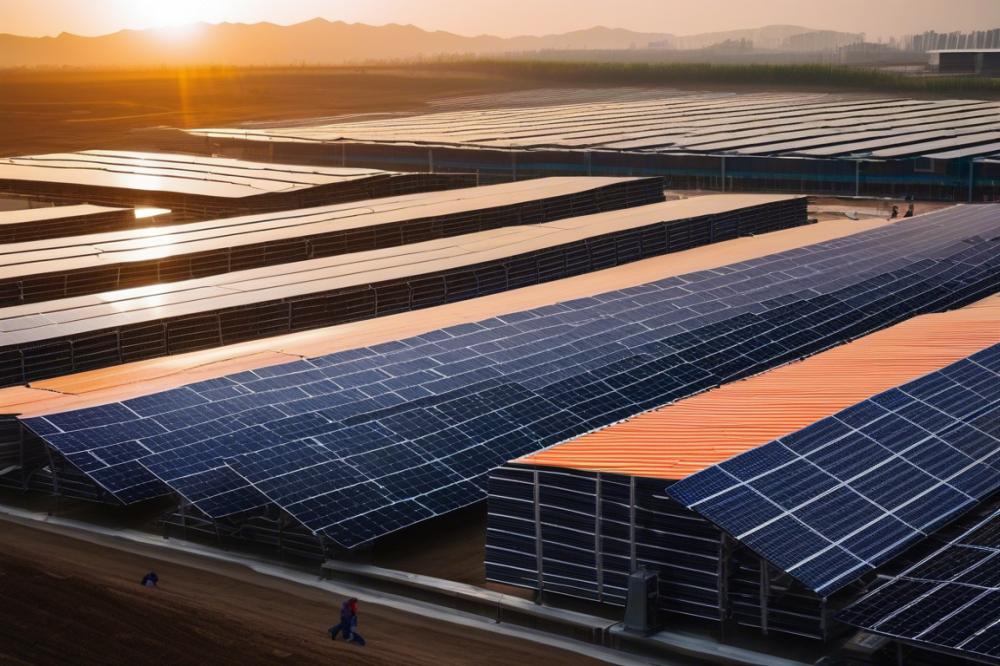
The solar industry in China has grown rapidly over the past few decades. This sector now plays a crucial part in the global market for renewable energy. As countries around the world look to transition to cleaner sources, solar power stands out as a leading solution. With the need for sustainability more pressing than ever, solar energy offers a viable pathway toward a greener future.
Solar panels harness the sun’s energy through a technology known as photovoltaic conversion. This process allows sunlight to be transformed directly into electricity. The demand for this clean energy source continues to rise. Factors such as government policies, climate concerns, and technological advancements all contribute to this growth.
Key players in the world of solar manufacturing hold significant sway over this market. These market leaders not only supply solar panels but also drive innovation within the industry. With advanced manufacturing processes, they improve efficiency and reduce costs. As a result, solar energy becomes accessible to more people globally.
In the quest for a sustainable energy future, China’s influence is undeniable. Leading solar manufacturers contribute to reducing carbon footprints through expansive production and distribution. By investing in technology innovation, they improve results in both productivity and sustainability. The intricate web of cooperation between these manufacturers and various stakeholders further enhances growth in the energy transition.
China solar industry: Key Players and Market Leaders
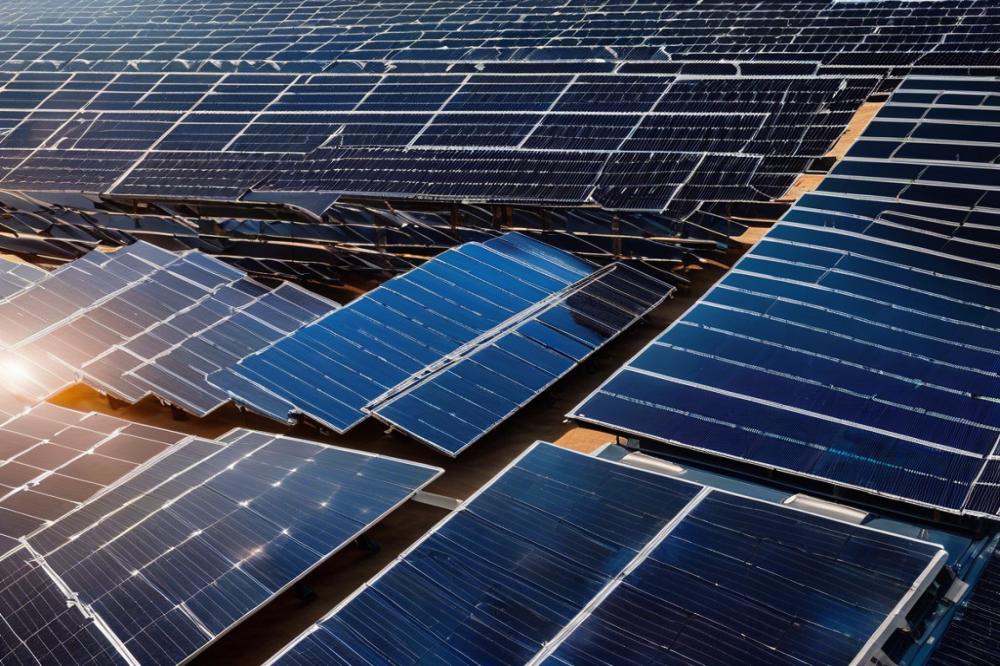
In the realm of solar manufacturing, several companies stand out as major players. Leading manufacturers in China include JinkoSolar, Trina Solar, Canadian Solar, and LONGi Green Energy. Each of these firms plays a significant role in producing solar panels. Their output affects not only local supply but also the global market for renewable energy.
Market share varies among these giants. JinkoSolar, for example, often ranks at the top, boasting substantial production capacity. This capacity allows them to meet the growing demand for clean energy solutions worldwide. Trina Solar follows closely, known for its innovative products and substantial shipment volumes. Canadian Solar has made a name for itself primarily in international markets, diversifying its reach. LONGi Green Energy specializes in high-efficiency solar cells, enhancing its competitive edge.
Technological Innovations
Innovation is key in the solar sector. Leading firms continually push the envelope in technology innovation. JinkoSolar, for instance, focuses on improving photovoltaic cell efficiency. Their research has produced advancements that lead to better energy conversion rates. LONGi Green Energy invests heavily in monocrystalline technology. This commitment has solidified their status as a market leader. Trina Solar and Canadian Solar also explore ways to optimize the manufacturing process to reduce costs.
Furthermore, the impact of these manufacturers on the solar panel market cannot be overstated. Their advancements drive others to compete, resulting in lower prices and improved products. This competition is crucial for the energy transition towards sustainability. As they expand globally, they influence policies and practices in various countries. The ripple effects of their innovations extend far beyond China’s borders.
In summary, the key players in China’s solar industry shape the future of renewable energy. Their market strategies, production capacities, and technological breakthroughs contribute to a rapidly evolving landscape. As companies vie for dominance, the emphasis on clean energy continues to grow. This dynamic contributes to a more sustainable world.
Manufacturing Processes in China’s Solar Industry
Overview of the Photovoltaic Manufacturing Processes
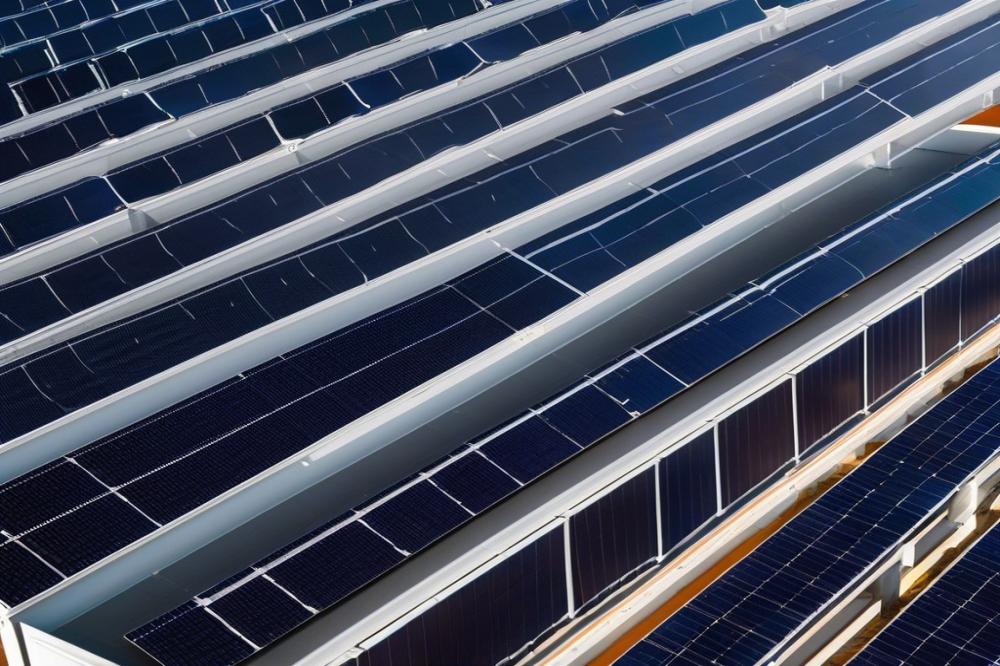
Photovoltaic manufacturing involves several key steps. It starts with raw materials, primarily silicon, which is processed into wafers. These wafers are then turned into solar cells. Once the cells are prepared, they undergo assembly into solar panels. Each step demands precision and expertise. Manufacturers utilize advanced equipment to enhance productivity. Overall, this process is vital for creating effective solar solutions that generate renewable energy.
Examination of Supply Chain Dynamics within the Industry
Supply chains in the solar sector are complex and interconnected. China boasts numerous suppliers, ensuring a steady flow of materials. Local companies often collaborate closely, enabling quick adjustments to production. This cooperative approach helps navigate global market demands. Challenges can arise due to trade policies or environmental regulations. Nonetheless, many firms adapt swiftly to maintain their competitive edge. Strong supply chain management remains essential for successful solar panel production.
Discussion on Advancements in Technology Innovation
Technology innovation plays a critical role in the solar industry. Constant research leads to improved efficiencies in solar cells. Companies are now experimenting with new materials, such as perovskites, to enhance performance. These advancements lower costs while boosting energy output. In addition, manufacturers are exploring automation for increased efficiency. Integrating smart technologies also allows for better monitoring of solar installations. These innovations drive the energy transition towards a more sustainable future.
Quality Control and Standards in Solar Panel Production
Quality control is paramount in solar panel production. Manufacturers establish rigorous testing protocols to meet international standards. Certifications ensure that panels can withstand various environmental conditions. Consumers look for high-quality products, as reliability is crucial for long-term performance. By upholding strict guidelines, companies protect both their reputation and their clients’ investments. Ultimately, quality assurance helps support the growing demand for clean energy solutions worldwide.
Global Influence of China’s Solar Industry
Chinese solar panels have changed the landscape of the global market. Export dynamics are crucial to this transformation. In recent years, the country has become the largest manufacturer of photovoltaic cells and modules. Many nations now rely on these products for their renewable energy needs.
Export dynamics of Chinese solar panels
Unsurprisingly, China dominates solar panel exports. In 2022, shipments increased significantly, reaching various markets worldwide. Countries in Europe, Asia, and North America often import these components to build their clean energy infrastructures. Lower prices are a major factor, allowing many states to meet their sustainability goals without overspending. The competitive edge comes from advanced technology innovation and efficient manufacturing processes.
Role of Chinese manufacturers in global renewable energy markets
Manufacturers have emerged as market leaders within the renewable energy sector. They not only offer affordable products but also invest heavily in research and development. This commitment drives advancements in efficiency and durability of solar panels. As a result, many international projects increasingly depend on Chinese solutions to harness solar energy.
Case studies on international projects utilizing Chinese technology
Take, for instance, a notable project in Africa. A large solar farm in Ethiopia uses Chinese solar technology. This project aims to provide electricity to thousands, significantly contributing to the local energy transition. Another example is Germany, where several renewable initiatives have utilized Chinese panels to enhance their energy systems. These collaborations illustrate how Chinese technology plays a pivotal role globally.
Impacts on energy policies in other countries
The influence of China’s solar industry extends beyond just exports. Other countries are adjusting their energy policies in response to the growing availability of affordable solar panels. Many governments now prioritize renewable energy to combat climate change. This shift helps them to reduce dependency on fossil fuels. The attraction of low-cost technology encourages nations to rethink their energy strategies.
Challenges and Future Outlook
China’s solar industry faces many challenges today. Global competition is intensifying. Other countries are ramping up their solar panel production. This fierce rivalry can strain market leaders in China. Prices might drop due to oversupply, impacting profits for many companies.
Regulatory concerns also present hurdles. The Chinese government has imposed stricter rules in recent years. Companies must adapt their manufacturing process to comply with these regulations. Meeting environmental standards is becoming more complex. Moreover, trade policies in various regions can create uncertainty in the global market.
Despite these challenges, there is significant potential for growth in renewable energy. The energy transition favors solar technologies across many nations. Rising demand for clean energy alternatives gives Chinese firms a good opportunity. As countries push toward sustainability goals, manufacturers must keep innovating.
Technological advancements continue shaping the future of solar power. Innovations in photovoltaic cell efficiency are improving the performance of solar panels. New materials and designs are emerging, leading to more efficient energy production. These leaps in technology could be a game-changer for the industry.
Environmental considerations are becoming increasingly important. Companies are looking for ways to reduce waste in their operations. Sustainability measures are not just a trend; they are now essential. Utilizing greener manufacturing processes can enhance a company’s reputation. Moreover, it aligns with global efforts to combat climate change.
Final Thoughts
The growth of China’s solar industry has been remarkable. Their manufacturers have set the standard for photovoltaic technology on a global scale. This growth has not only made solar energy more accessible but has also influenced markets around the world.
Key insights reveal that Chinese companies dominate the market through sheer volume and innovation. Many of these manufacturers have invested heavily in research and development. Such investments lead to advanced technologies that are reshaping the renewable energy landscape.
Furthermore, these manufacturers have expanded their reach beyond China. Countries all over the globe now rely on their products. This shift has made solar energy solutions more affordable, driving down costs and increasing adoption in various regions. As a result, even smaller nations can benefit from solar power.
Looking ahead, the ramifications of this industry are significant. With continued growth in solar technology, sustainability efforts will likely gain momentum. Global dependence on fossil fuels could decrease, paving the way for cleaner energy sources. The impact of China’s solar manufacturers sets the stage for a more sustainable future.
Ultimately, the influence of this industry stretches far beyond borders. As countries work toward energy independence, the role of these manufacturers will remain crucial. Their leadership in solar technology symbolizes hope for cleaner, greener energy solutions worldwide.