
Unveiling the supply chain: Where Do solar panel materials Come From?
The global shift towards renewable energy is gaining momentum, and solar power stands out as a leading alternative. A critical part of this transition involves understanding the sourcing and manufacturing of essential materials. Recognizing where solar panel materials originate can foster greater awareness about sustainability and environmental impact.
Solar panels are primarily made from silicon, a substance derived from quartz, which is abundant in the Earth’s crust. This element plays a vital role in the effectiveness of solar cells. Meanwhile, other components like aluminum and copper contribute significantly to the structural integrity and electrical conductivity of solar panels. The importance of these materials cannot be overstated, as each item in the supply chain contributes to the efficiency and durability of solar technologies.
Additionally, rare earth metals are often incorporated in certain types of solar panels to enhance performance. While they are less commonly associated with traditional solar technology, their impact on energy conversion rates is notable. The entire process of manufacturing these components involves complex logistics that span across continents.
Many countries are striving for a greener future. However, it is essential to evaluate the ecological footprint of sourcing materials. A focus on responsible mining and recycling practices will be critical in shaping the industry. The conversation around sustainability must extend beyond production to include the lifecycle of solar panel materials and their ultimate disposal.
Global insights reveal that as technology advances, there is potential for greater innovation in material usage. This could lead to more efficient processes and reduced reliance on finite resources. Understanding this intricate supply chain is crucial for motivating advancements that promote a sustainable and environmentally friendly solar energy landscape.
The Key Components of Solar Panel Materials
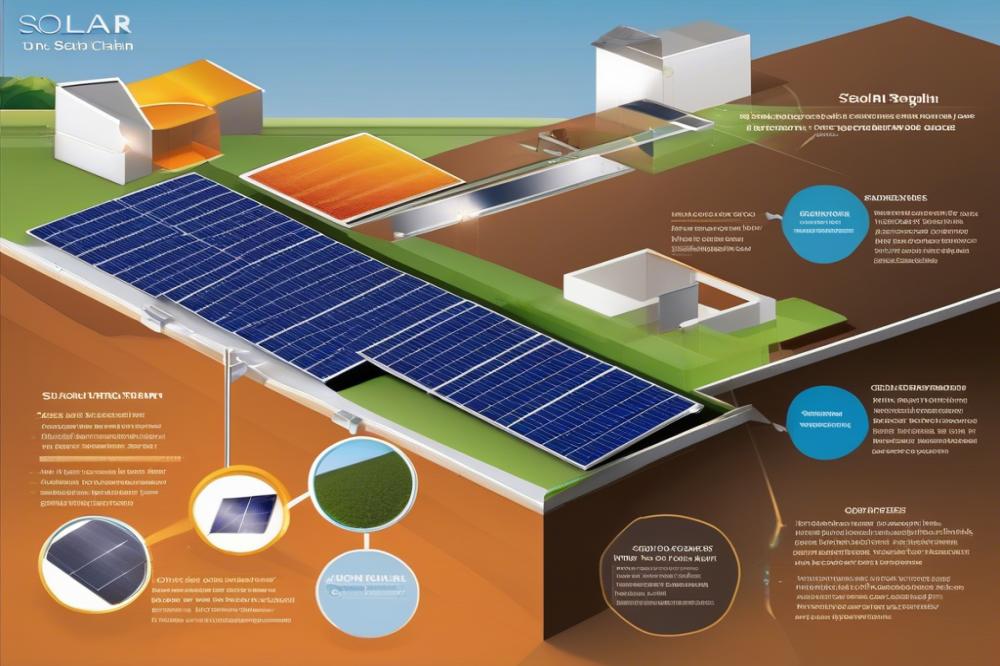
Understanding solar panels requires examining their essential materials. At the heart of most solar cells lies silicon. This element plays a critical role in energy conversion. Predominantly, it is derived from quartz, which is abundant in the Earth’s crust. The refinement process transforms quartz into high-purity silicon suitable for photovoltaic applications.
Not only does silicon contribute to energy efficiency, but it also impacts the durability of solar panels. Manufacturers carefully control its purity to maximize performance. A clean and efficient silicon layer captures sunlight and converts it into electricity efficiently. Variations in silicon can lead to differences in panel efficiency and longevity.
Another significant component is aluminum. Lightweight and corrosion-resistant, aluminum frames provide structural support for solar panels. They protect delicate materials inside while facilitating easier installation on rooftops or grounds. The versatility of aluminum makes it a favorite among manufacturers.
Copper also plays a vital role. It’s used for wiring that connects solar cells, ensuring that the generated electricity is conducted effectively. Its excellent conductivity is crucial for maintaining the overall efficiency of the solar system.
Understanding rare earth metals is essential as well. These materials serve specialized functions in high-efficiency solar panels. While they might only be used in some designs, their impact is significant in enhancing performance and increasing energy yields.
Glass serves as the protective layer for solar panels. A high-transparency, durable glass allows sunlight to penetrate while safeguarding against environmental damage. The right glass can significantly affect the long-term performance of the panels.
Sourcing these materials raises important issues related to sustainability. How they are obtained can impact environmental health and social equity. Understanding sourcing practices is crucial for consumers who want sustainable energy solutions. Furthermore, the recycling of solar panel materials is becoming increasingly important. This process can reduce waste and lessen the need for new materials. Technologies for recycling are developing, allowing us to lessen our ecological footprint.
From silicon to aluminum, every component plays a distinct role in creating effective solar panels. Knowledge about these elements enhances our appreciation of solar technology. In choosing solar energy, understanding its foundation shapes the future of renewable resources.
Sourcing and Supply Chain
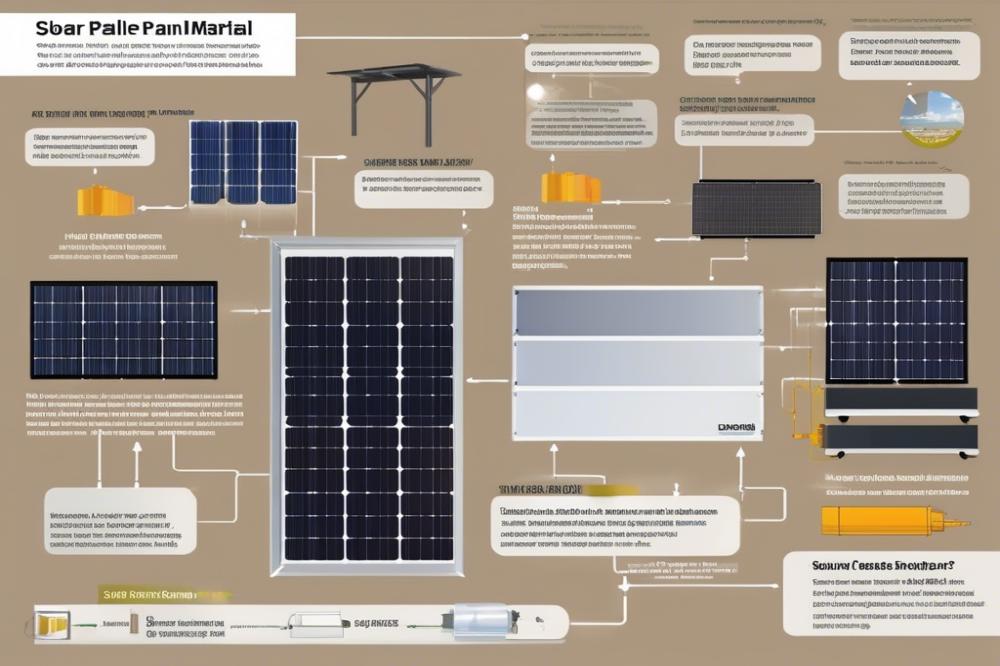
The journey of solar panel materials starts deep in the Earth. Key components like silicon and quartz play a significant role. Both of these materials are essential for creating solar cells, which convert sunlight into electricity. Mining operations locate these resources in various places around the world, including countries like China, the United States, and Brazil.
Silicon is abundant, accounting for about 28% of the Earth’s crust. To make solar panels, raw silicon undergoes extensive processing. First, quartz, a crystalline form of silicon dioxide, is extracted from the ground. The quartz is then heated to high temperatures, often with carbon, in order to produce metallurgical grade silicon. This material is further refined for solar applications. The transformation involves multiple steps, adding complexity to the overall supply chain.
Quantum leaps in manufacturing processes have made solar panels more efficient. However, challenges persist, particularly with rare earth metals. These materials, including neodymium and dysprosium, are crucial for producing efficient solar technologies. Although their usage is not as prominent as silicon, the importance of these metals cannot be understated. They help enhance the performance of solar cells and energy storage systems.
Challenges arise due to the limited number of countries that produce rare earth metals. China dominates the market, controlling a significant portion of production. Environmental concerns around mining practices also complicate sourcing. Many mines result in pollution and habitat destruction, raising questions about sustainability.
Aluminum and copper contribute to the construction of solar panels as well. Aluminum frames and copper electrical wiring are essential for functionality. Both materials have high recycling potential, which is vital for reducing waste in the supply chain. As the demand for solar technology grows, recycling will become increasingly important. It provides an opportunity to source materials sustainably and support a circular economy.
Glass is another critical component. It covers the solar cells, protecting them from external elements. The sourcing of high-quality glass requires meticulous attention. Producers often seek suppliers who prioritize environmentally responsible practices.
Understanding where solar materials come from is key to developing a greener future. Each segment of the supply chain must work together efficiently. Without proper sourcing, the entire industry could face risks. Therefore, ongoing efforts to streamline processes and promote sustainability will shape the next generation of solar energy solutions.
Manufacturing Processes and Locations
Understanding where solar panels are made begins with the examination of global hubs. Countries like China, Germany, and the United States lead the way in production. China, in particular, dominates the market, accounting for over 70% of global solar panel manufacturing.
The production process starts with raw materials like quartz. High-purity quartz is the foundation for silicon, which is crucial in solar cells. After extracting quartz from the earth, it undergoes refining. This process converts it into metallurgical-grade silicon, an essential step before further purification.
Advanced technology plays a key role in this industry. Automation enhances efficiency at every stage of manufacturing. For instance, machinery can cut, shape, and assemble components faster than human hands can. Such advancements lead to lower production costs and quicker turnaround times.
Remaining environmentally aware is vital too. Many manufacturers are now implementing sustainability practices. They focus on sourcing materials responsibly and minimizing waste. Recycling of solar panel components after their lifecycle also contributes to reduced environmental impact.
Once silicon is prepared, it combines with rare earth metals to form solar cells. These cells are then layered into panels, often encased in aluminum and glass for protection. Aluminum is lightweight and durable, making it ideal for framing panels.
Countries with advanced technological infrastructure, such as Germany and South Korea, invest heavily in research. They prioritize innovations that improve efficiency and reduce costs. Furthermore, manufacturers continuously seek new ways to enhance the lifespan of solar products.
Copper serves a crucial function in transferring electricity within these solar panels. It’s another material sourced globally, often from mines in Chile or Peru. This reliance on various materials emphasizes the complexity involved in solar panel production.
Innovation in recycling processes is becoming increasingly important. As more solar panels reach the end of their durability, finding ways to effectively recycle them reduces waste. Sorting the raw materials from old panels allows for reusing silicon and metals, thus conserving resources.
In conclusion, the global supply chain for solar panels encompasses numerous stages, from sourcing basic materials to advanced manufacturing techniques. Countries across the world contribute to this multifaceted industry, highlighting its importance in our shift toward renewable energy.
Sustainability in Solar Panel Material Sourcing
Sourcing materials for solar panels involves various elements that impact the environment. Manufacturers are increasingly focused on sustainability practices to lessen their footprint. This shift towards greener methods is crucial as demand for renewable energy rises.
Materials like silicon and quartz are primary components in solar panels. Extraction of these materials can lead to significant ecological consequences if not managed carefully. Environmental regulations play a vital role in guiding how companies approach this sourcing. Stricter laws often prompt businesses to adopt cleaner methods while avoiding harmful practices.
Rare earth metals, aluminum, and copper are also key parts of solar technology. The demand for these metals has surged in recent years. New requirements on how these materials are mined and processed directly influence the companies involved. Such regulations can promote more responsible extraction techniques, ensuring less harm to surrounding ecosystems.
Recycling creates another exciting avenue in material sourcing. More companies are looking to repurpose old panels to recover valuable materials. This trend not only reduces waste but also lowers the need for new extraction. Using recycled materials can enhance the sustainability of the entire manufacturing process.
Moreover, innovations in technology are paving the way for greener practices. Developers are experimenting with alternative sources and materials. For instance, some are researching biodegradable components to minimize environmental impact further. Each effort contributes to a broader movement toward sustainability in the energy sector.
Awareness among consumers is growing as well. People are becoming more interested in how their solar power systems are produced. This focus on ethical sourcing encourages manufacturers to be more transparent in their practices. Ultimately, pressure from consumers can lead to more responsible decisions throughout the supply chain.
Recycling and the Circular Economy
Overview of Recycling Methods
Recycling solar panels is crucial for reducing waste. Various methods exist to reclaim valuable materials. Commonly, panels undergo a process called mechanical recycling. This involves breaking them down into smaller pieces. Glass, aluminum frames, and silicon can be extracted. Further steps include chemical processes to recover rare earth metals and copper. These materials can then be refined. They find new life in different applications, promoting a sustainable approach.
Importance of Recycling for Sustainability
Recycling plays a vital role in supporting sustainability. By reusing materials, we minimize the need for new resources. Sourcing materials like quartz and silicon from the earth can be harmful. It often involves destructive mining practices. Additionally, waste from discarded panels poses environmental risks. Efficient recycling helps in reducing the carbon footprint. It allows companies to operate more responsibly. Each recycled panel means less waste in landfills, benefiting our planet.
Future Perspectives on a Circular Economy
The idea of a circular economy in solar panel manufacturing is gaining traction. This concept emphasizes designing products for longevity. Manufacturers are starting to prioritize recyclable materials in their designs. For instance, using aluminum and glass that can be easily recovered contributes positively. New innovations in recycling technologies show promise. As methods improve, more components will find new uses after their initial life. This shift not only fosters economic growth but also aligns with eco-friendly practices. Embracing these changes can lead to a brighter future in renewable energy.
Final Thoughts
The journey of solar panel materials is quite a fascinating topic. Various elements contribute to the creation of these panels, from rare minerals to everyday resources. Understanding this supply chain sheds light on the environmental and economic impacts associated with solar energy.
Key points include the importance of silicon, which is derived from quartz, as the backbone of solar technology. Discussions highlighted the extraction and processing stages that minerals undergo. While solar energy offers a sustainable solution, it’s essential to recognize the ecological footprint of sourcing these materials.
Thinking critically about where our energy comes from can lead to better decisions. The significance of tracking the origins of these materials cannot be understated. Transparency in the supply chain helps consumers make informed choices and promotes responsible practices in the industry.
In summary, understanding the complexities behind solar panel production is crucial. It not only informs our energy choices but also has implications for sustainability. As we move toward a greener future, awareness of these processes will foster a more resilient and responsible approach to energy.