India’s Energy Landscape
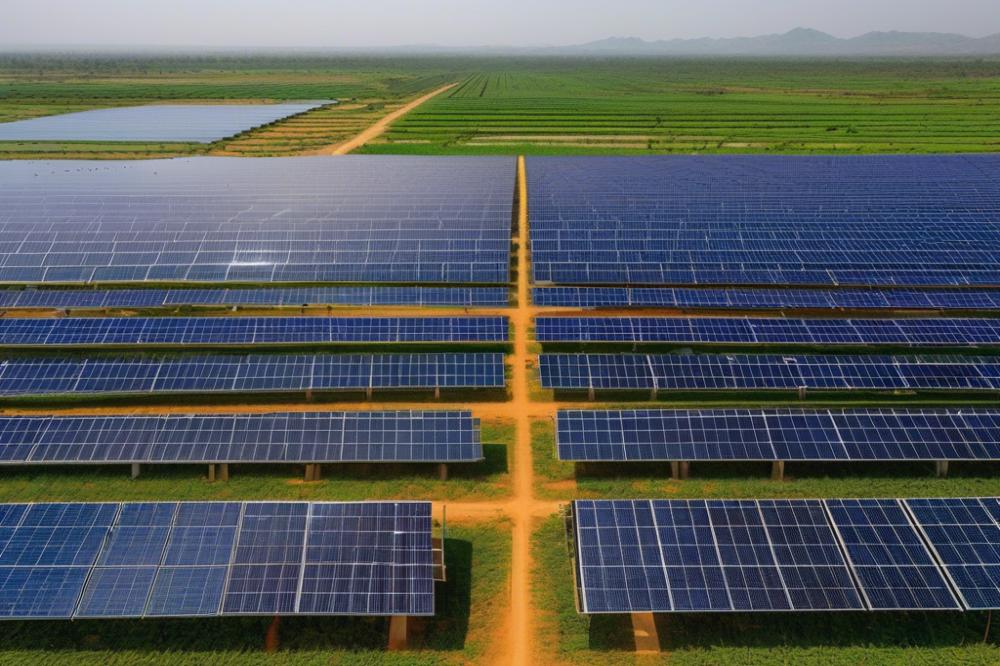
India is at a pivotal moment in its energy journey. As the nation grapples with increasing demand for power, the shift towards renewable energy has become crucial. Solar energy, in particular, has emerged as a key player in this transition. With vast expanses of sunlight available, the potential for harnessing this resource is enormous.
Utilizing solar panels can profoundly impact the country’s approach to sustainable development. The environmental benefits are significant, reducing reliance on fossil fuels and lowering greenhouse gas emissions. Moreover, solar power is not just good for the earth; it also offers economic advantages.
Government policies focused on boosting solar energy growth have encouraged substantial investments in the sector. This movement has sparked a revolution in solar manufacturing within India. As more companies enter the market, the competition drives innovation and reduces costs.
With such progress, India stands to become a global leader in clean energy. The developments in solar manufacturing not only create jobs but also foster a sense of self-sufficiency in energy production. The future looks promising as the country continues to embrace changes that aid the energy transition.
The Rise of Solar Panel Manufacturing in India
The journey of solar manufacturing in India started decades ago. In the early 1990s, the government began investing in renewable energy to tackle the growing energy needs of the country. Initial efforts were modest and often faced challenges. The focus was primarily on solar water heating, but interests began to shift toward more significant applications of solar energy. By the mid-2000s, national policies began to change, encouraging investment in large-scale solar power projects. This shift was crucial for the solar energy growth that we witness today.
Several key players have emerged in the Indian solar manufacturing landscape. Companies like Tata Power, Adani Green Energy, and Vikram Solar have taken bold steps to lead the charge. These manufacturers have set ambitious targets, contributing to the country’s clean energy goals. Their investments have drastically increased production capabilities. With modern facilities and skilled labor, they are paving the way for a manufacturing revolution.
Technological Advancements in Solar Panel Production
Advancements in technology have significantly affected solar manufacturing in India. Innovative techniques have made it possible to produce solar panels more efficiently. Techniques like bifacial solar panels, which utilize both sides to generate power, are gaining popularity. Additionally, automation in production lines has increased output and reduced costs. These improvements not only enhance competitiveness but also foster sustainable development.
Government policies have played a pivotal role in shaping the landscape of solar energy. Initiatives like the National Solar Mission have provided a framework for growth. Such strategies promote local manufacturing while also addressing environmental impact concerns. The government’s push for domestic production aims to reduce dependency on imports, making India a global player in solar energy.
Investment in research and development is crucial for the sector’s future. Many manufacturers are collaborating with universities and research institutions to explore new technologies. This focus on innovation ensures that India can keep up with global standards in solar power production. As these developments unfold, the potential for India’s energy transition becomes more apparent.
Government Policies Supporting Solar Energy Growth
Overview of Government Initiatives and Policies
The Indian government has recognized the need for clean energy as a crucial step in sustainable development. Various initiatives have been launched to support the solar energy sector. Policies encourage both production and consumption of renewable energy. They aim to reduce reliance on fossil fuels while addressing climate change. These strategies shape the landscape for solar energy growth. More than just regulations, these initiatives provide a roadmap for energy transition.
National Solar Mission and Its Impact
Launched in 2010, the National Solar Mission has had a transformative effect. By targeting an ambitious solar power capacity, it aims to increase installed capacity significantly. The mission has paved the way for broader acceptance of renewable sources across India. It has also spurred local and international investments. With its goal of generating 100 GW of solar power by 2022, it has propelled ambition into action. Such efforts not only promote clean energy but also offer job opportunities in manufacturing and installation.
Incentives for Manufacturers and Investors
Encouraging investment is a top priority for the government. Various financial incentives have been introduced. Tax breaks and grants help reduce the burden on solar manufacturing companies. These measures attract both domestic and foreign investors. Such support fosters a conducive environment for innovation and growth. Policies providing low-interest loans also play a vital role. They make it easier for businesses to enter the solar sector. Overall, these efforts significantly boost the renewable energy market in India.
Investment Trends in India’s Solar Power Sector
Recent Investments in Solar Manufacturing
The solar industry in India has witnessed a surge in investment recently. Major companies are pouring money into manufacturing facilities. This includes local businesses and international players. With rising demand for clean energy, many firms are ramping up production capacity. New factories are appearing across the country. Such developments are crucial to supporting solar energy growth.
Role of Private and Foreign Investment
Private investment has accelerated in the solar manufacturing space. Many domestic investors recognize the potential of this sector. At the same time, foreign firms bring additional expertise and capital. Foreign investment plays a vital role in technology transfer. Collaborations between local and international companies are common. These partnerships can lead to innovative solutions for solar technologies. Together, they create a competitive environment.
Economic Benefits of Solar Panel Manufacturing
Building a strong solar manufacturing base offers significant economic advantages. Job creation is one of the most notable benefits. Thousands of new jobs are emerging in various roles, from factory work to research and development. Additionally, using domestic manufacturing helps reduce dependency on imports. This shift strengthens India’s economy and promotes sustainable development. Improved government policies are helping drive these changes. Economic growth can be achieved while also focusing on environmental impact. The energy transition fuels optimism across the sector.
Environmental and Economic Impact of Solar Panel Production
Contribution to Sustainable Development
India’s strides in solar manufacturing contribute significantly to sustainable development. The shift towards clean energy is no longer a distant goal; it is happening now. By focusing on renewable sources, the country supports the global aim to reduce greenhouse gas emissions. Government policies promote this transition by incentivizing investment in solar energy. These actions align with international commitments to combat climate change. As a result, India is becoming a leader in the sector, showcasing the potential for growth and sustainability.
Pollution Reduction and Environmental Benefits
Reductions in pollution are a critical advantage of solar energy growth. Conventional power generation often involves harmful processes that release toxic substances into the environment. Opting for solar power decreases reliance on fossil fuels, which directly lowers pollution levels. Cleaner air benefits everyone, especially in urban areas where air quality tends to be poor. Additionally, harnessing renewable energy limits the depletion of natural resources, promoting a healthier planet for future generations.
Job Creation and Economic Growth through Solar Manufacturing
Job creation is another significant outcome of the booming solar industry. The manufacturing sector has shown remarkable growth, generating thousands of jobs across various skill levels. Workers engage in every aspect, from production to installation. This development fosters economic growth, providing stable employment opportunities in both urban and rural settings. As investment in solar technologies continues to increase, the potential for job creation remains strong. A robust workforce strengthens local economies and enhances living standards, benefiting communities nationwide.
Challenges Facing the Solar Panel Industry in India
Competition from international manufacturers presents a significant hurdle for local firms. Many established companies from different countries offer advanced technology at competitive prices. This constant battle for market share puts pressure on domestic players. Their capacity to innovate and reduce costs becomes crucial for survival.
Additionally, supply chain issues and raw material availability hamper production efforts. A robust supply chain is vital for solar manufacturing, but disruptions can cause delays. Limited access to necessary materials like polysilicon can stall projects and increase costs. Dependence on imports further complicates matters, especially when global demand rises.
Furthermore, policy and regulatory hurdles create obstacles to solar energy growth. Government policies often fluctuate, leading to uncertainty among investors. Clear and consistent regulations are essential for long-term planning. Without stable guidelines, companies may hesitate to invest in clean energy initiatives.
The current landscape requires a collective effort from all stakeholders. Sustainable development depends on overcoming these challenges. Collaboration between manufacturers, policymakers, and investors is key to advancing the energy transition in India. A unified approach can help navigate the complexities of the market.
Every challenge holds the potential for growth. Addressing these issues can lead to stronger domestic capabilities. A thriving solar power sector not only benefits the economy but also contributes to reducing environmental impact. Fostering innovation and ensuring availability of resources will enhance India’s position in renewable energy.
Future Prospects for Solar Energy in India
Predictions for Solar Energy Growth
India’s solar energy growth looks promising in the coming years. Experts believe this sector will expand rapidly, driven by advancements in technology and supportive government policies. By 2030, solar power could account for a significant portion of India’s total energy mix. The country aims for a target of 450 GW of renewable energy capacity, much of which will come from solar initiatives. Increased investment from both domestic and international sources plays a crucial role in achieving these ambitious goals. Many analysts predict that with the right resources, India could even become a global leader in renewable energy.
Innovations in Solar Technology
Innovation is a vital part of the solar industry. New technologies are emerging to improve efficiency and reduce costs. For instance, bifacial solar panels can capture sunlight from both sides, increasing energy output. Battery storage solutions are also evolving, making it easier to store energy for later use. This is essential for managing supply and demand effectively. Moreover, advancements in solar manufacturing processes are helping reduce the environmental impact of production. As solar solutions continue to evolve, they provide more options for consumers and businesses alike.
Vision for a Sustainable Energy Transition
A sustainable energy transition is on the horizon for India. Clean energy is not just a goal; it is becoming a necessity. This shift will help reduce reliance on fossil fuels and lower carbon emissions significantly. The vision includes not only increased solar energy production but also the establishment of smart grids and energy-efficient technologies. Community solar projects can empower localities to harness renewable resources. Working towards a cleaner future requires collaboration from the government, private sector, and citizens. Each group has a unique role in shaping this future. A well-planned approach will ensure that the transition benefits all parts of society.
A Bright Future Awaits
India’s solar panel revolution marks a critical shift in the country’s energy landscape. This transformation is not just about technology but involves a collective effort toward a sustainable future. With ambitions set high, the nation aims to enhance its renewable energy capacity significantly in the coming years. Solar energy stands at the forefront of this goal, representing clean and reliable power.
Manufacturers play a crucial role in this journey. Their innovation and investment drive a thriving solar manufacturing sector that can meet growing demand. By creating high-quality products, these companies contribute to reducing costs and expanding access to renewable energy. Their commitment paves the way for more homes and businesses to embrace solar energy solutions.
Looking ahead, it is vital to continue investing in this sector. Support from the government, along with private investment, will foster further advancements. Policies that promote research and development will strengthen the industry. As public awareness grows, so does the call for cleaner alternatives. Engaging local communities in this dialogue can empower individuals and promote further adoption.
In summary, India’s journey toward a sustainable energy future is filled with promise, and manufacturers are at the heart of it all. By backing this industry, we can secure a cleaner environment for generations to come. The time for action is now. Let’s commit to solar energy and build a brighter future together.