Tokyo‘s Green Energy Initiative for Smart Urban Facilities
Urban areas face numerous energy challenges that can hinder their growth. Rapid population increases and rising energy demands often lead to stress on local infrastructures. Cities need to adapt to these changes efficiently and sustainably. This is where the importance of Green Energy becomes evident.
Sustainability plays a critical role in the development of urban environments. As cities expand, they must find innovative solutions to minimize their carbon footprint. Renewable energy sources, such as solar and wind, are becoming vital. By utilizing these resources, urban centers can create a more eco-friendly atmosphere. Energy efficiency is a crucial aspect of this transformation.
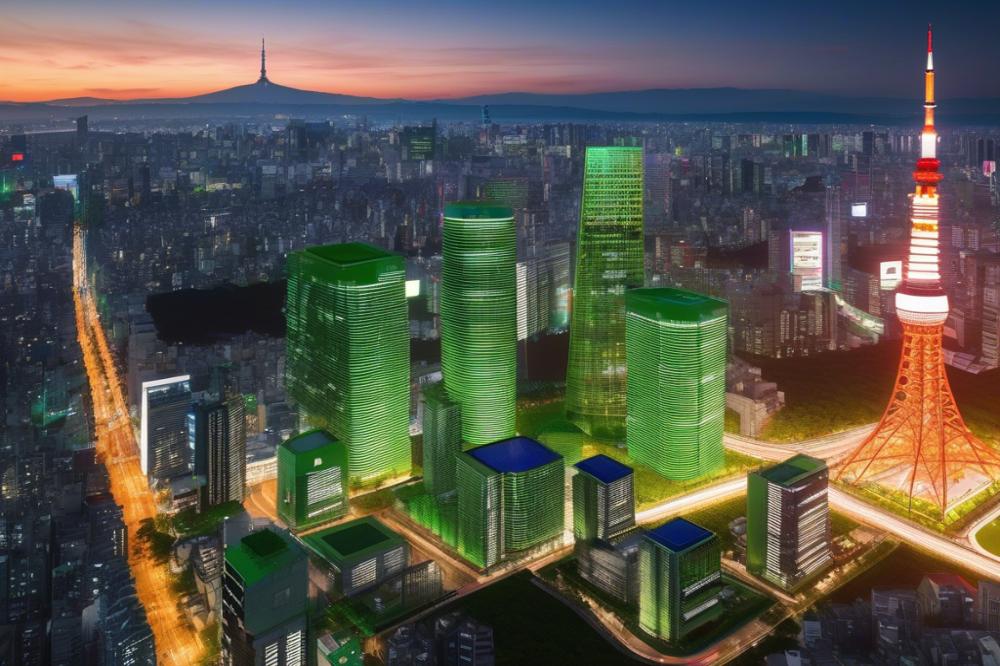
Tokyo stands out as an exemplary case study. The city’s initiative focuses on integrating clean energy into its urban infrastructure. This effort represents a broader plan to develop smart city concepts in a densely populated area. Tokyo aims to promote the use of eco-friendly technology and enhance the overall quality of life. This commitment to sustainability will revolutionize how residents and businesses interact with energy resources.
In summary, Tokyo’s approach presents a roadmap for urban development and energy use. As cities around the world look for effective strategies to cope with energy challenges, the lessons learned from Tokyo’s Green Energy initiative could provide valuable insights. Encouraging smarter, more sustainable practices can lead to a brighter future for urban spaces.
Tokyo’s Green Energy Initiative
Goals and Vision of the Initiative
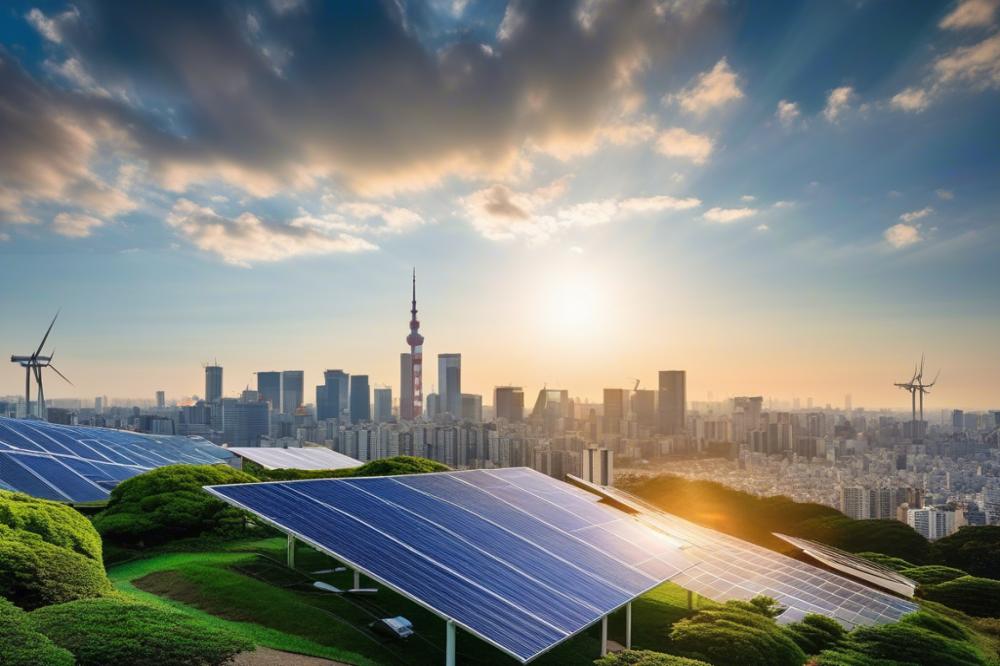
Tokyo’s Green Energy Initiative aims to transform the city’s approach to energy use. The vision centers on sustainability and aims to create a smart city that prioritizes clean energy. This effort is crucial for reducing carbon emissions and promoting a healthier environment for residents. By embracing innovative solutions, officials hope to position Tokyo as a global leader in urban sustainability.
Integration of Renewable Energy Sources
Renewable energy sources are at the heart of this initiative. Solar panels and wind turbines will play essential roles in powering various urban facilities. Each technology will work towards achieving greater energy efficiency. By integrating these sources into the city’s infrastructure, Tokyo can reduce its reliance on fossil fuels. This shift not only helps the environment but also supports the economy by creating green jobs.
Focus on Sustainable Urban Development
Sustainable urban development is a major focus for the initiative. Planning for eco-friendly technology and infrastructure allows the city to grow without harming the environment. Smart Urban Facilities will include energy-efficient buildings and accessible public transport using clean energy. Such developments encourage a healthier lifestyle for the citizens of Tokyo and enhance the quality of life.
Partnerships with Private Sectors and Local Communities
Collaboration is key to the success of this initiative. Tokyo is working with private sectors and local communities to promote sustainable practices. Each partnership aims to combine resources and expertise for better outcomes. Community involvement is vital to ensure that everyone participates in creating a sustainable future. Engaging with local groups can also help spread awareness about renewable energy and its benefits.
Smart Urban Facilities in Tokyo
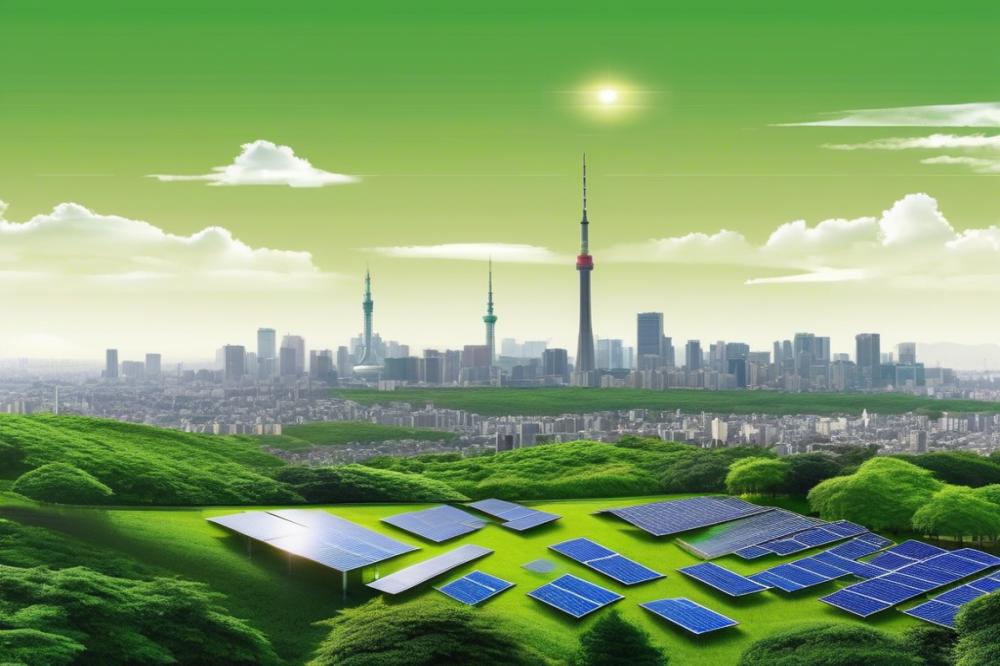
Tokyo is embracing the concept of smart cities to enhance urban development. These smart urban facilities use technology to improve the quality of life for residents. For example, many buildings are now integrating renewable energy sources. This shift helps reduce reliance on fossil fuels while promoting sustainability.
Examples of Solar Powered Infrastructure
One visible example of this effort is the solar panels installed on rooftops throughout the city. In residential areas, homes equipped with solar systems not only provide clean energy but also save families money on electricity costs. Public buildings, like schools and community centers, have also adopted solar energy. This infrastructure reduces the overall carbon footprint in Tokyo while setting a standard for future developments.
Energy Efficiency Measures Implemented
Various energy efficiency measures have been rolled out across Tokyo. Smart lighting systems automatically adjust brightness based on the time of day and occupancy. In addition, many public spaces now feature energy-efficient appliances. These upgrades contribute to lower energy consumption and minimize waste in the city.
Role of Eco-Friendly Technology in Urban Facilities
Eco-friendly technology plays a crucial role in transforming Tokyo’s urban infrastructure. Innovations like rainwater harvesting systems help improve water management. Additionally, electric vehicle charging stations are increasingly found, encouraging the use of clean energy vehicles. These technological advancements not only facilitate carbon reduction but also promote a culture of sustainability among residents.
Impact on Carbon Reduction and Sustainability
Assessment of Carbon Footprint Reduction
Tokyo aims to significantly cut its carbon footprint through innovative urban development. The use of renewable energy sources is crucial in this effort. Solar panels and wind turbines are becoming common sights throughout the city. This shift is not just about reducing emissions; it also means improving energy efficiency in buildings. Many institutions are switching to eco-friendly technology, which helps lower energy demands and emissions. As a result, carbon reduction targets are now more achievable, making the city a model for others.
Long-Term Sustainability Goals
Sustainability is not a short-term goal for Tokyo. The city leaders have set ambitious long-term objectives. These involve complete reliance on clean energy by mid-century. Investments in smart city initiatives play a key role in reaching these targets. Enhancing urban infrastructure with sustainable practices ensures that future generations inherit a healthier environment. The focus is on creating a livable city that prioritizes both people and nature. Over the years, consistent progress will build resilience against climate change.
Impact on Tokyo’s Urban Ecosystem
Tokyo’s urban ecosystem is slowly transforming. Green spaces are expanding, which supports local biodiversity. More parks and green roofs help combat urban heat and improve air quality. This kind of development positively influences both wildlife and residents. Trees and plants in the city can effectively absorb CO2, further aiding carbon reduction efforts. A thriving ecosystem contributes to enhancing the overall quality of life for Tokyo’s inhabitants.
Measurement of Success and Ongoing Challenges
Measuring success in sustainability requires detailed tracking of various metrics. Carbon emissions, energy consumption, and biodiversity levels are all essential indicators. Tokyo uses advanced technology to monitor these factors effectively. However, challenges remain in achieving widespread adoption of clean energy. Some residents may be resistant to change, especially with traditional energy sources being familiar. Balancing innovation with public acceptance is crucial for ongoing progress. At this point, relentless commitment from both citizens and city officials will determine the future of Tokyo’s green initiatives.
Global Context: Solar Powered Urban Infrastructure
Comparison with Other Cities’ Initiatives
Various cities around the world are making strides in solar energy for urban infrastructure. For instance, San Diego has invested heavily in solar panels across public buildings and schools. Meanwhile, cities like Paris aim to create green roofs that can help manage rainwater and provide energy efficiency. Both approaches complement initiatives in Tokyo, where the focus on integrated solar solutions helps pave the way for other urban developments. While these cities share a commitment to sustainability, each has tailored its approach to fit local needs and conditions.
Lessons Learned from Tokyo’s Model
Tokyo’s extensive use of eco-friendly technology provides valuable insights. The city’s strategy includes not just installing solar panels, but also enhancing energy efficiency in urban buildings. By prioritizing renewable energy sources across various facilities, it sets a precedent for how urban centers can make impactful changes. Other regions can learn from this comprehensive planning. Tokyo’s example shows that collaboration among city planners, businesses, and residents is crucial for success.
Importance of Collaboration on a Global Scale
No effort in these endeavors can happen in isolation. Global partnerships play a key role in achieving urban sustainability. Cities can share knowledge and best practices, enriching their individual projects. Collaborating aids in addressing common challenges related to carbon reduction and clean energy approaches. Many communities are now coming together to tackle issues like funding and technology-sharing. Stronger networks will drive innovation and progress as they learn from each other’s successes and setbacks.
Future Trends in Renewable Energy in Urban Areas
The future holds exciting possibilities for renewable energy in cities. Innovations in solar technology will likely lead to greater energy efficiency in urban infrastructure. Battery storage solutions may also improve, making solar energy more reliable. Smart city designs coupled with effective urban planning have the potential to enhance usability. As cities like Tokyo demonstrate, sustainability can become a natural part of urban development. This trend paves the way for cleaner, greener living environments, showcasing how forward-thinking practices can redefine city living.
Final Thoughts
Summary of Key Points
Tokyo has embraced a transformative approach to energy usage in urban facilities. The city aims to reduce its carbon footprint while enhancing overall efficiency. By prioritizing renewable resources, Tokyo showcases how innovation can lead to a cleaner environment. These initiatives highlight the importance of community involvement in building a sustainable future. Urban landscapes can thrive when they incorporate smart technology and green infrastructure.
The Future of Green Energy Initiatives in Urban Development
Looking ahead, other cities can learn valuable lessons from Tokyo’s commitment. The integration of renewable energy sources will only become more essential. As urban areas grow, so does the need for solutions that protect our planet. Cities must explore new technologies and methods to remain energy-efficient. Collaborations between governments and private sectors will be crucial in this journey.
Call to Action for Other Cities to Adopt Similar Protocols
Governments worldwide should prioritize such initiatives. By implementing comprehensive frameworks centered on sustainability, cities can promote a brighter future. Awareness and education about green options will empower communities. Cities that take action today will pave the way for healthier environments tomorrow. Now is the time for cities everywhere to join the movement toward a sustainable urban lifestyle.