Introduction
The emergence of solar panels has marked a crucial turning point in energy solutions worldwide. This technology harnesses sunlight, converting it into electricity that can power a wide array of devices. Renewables play a vital role in our quest for sustainability, especially in bustling urban environments like Singapore. As the city-state continually evolves into a smart city, it faces challenges in energy consumption and efficiency.
urban lighting remains an essential part of city life. Efficient lighting not only enhances safety but also contributes to the overall aesthetic of the environment. In Singapore, where the population is dense and urban infrastructure is constantly developing, addressing energy needs without compromising the environment is critical.
Innovative strategies, including LED lighting, are part of the city’s approach to reducing its carbon footprint. The government has introduced several initiatives aimed at promoting green technology. These steps support both energy efficiency and environmental stewardship. As Singapore embraces renewable energy, the integration of solar power into urban lighting systems can significantly transform the way the city illuminates its streets.
The Role of solar panels in Urban Lighting
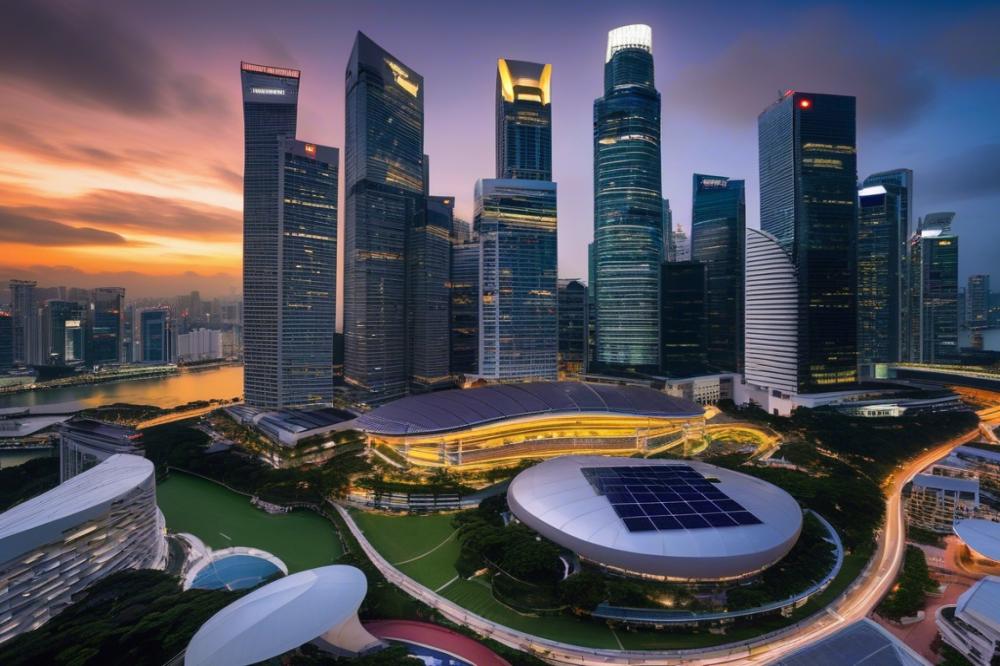
Urban lighting in Singapore is rapidly evolving, thanks to advancements in renewable energy technology. Solar panels play a crucial role when combined with LED lighting. By harnessing sunlight, these systems provide energy for street lights, park lighting, and other urban fixtures.
LED lighting is particularly efficient. It uses less power than traditional bulbs while providing brighter illumination. When paired with solar energy, the benefits multiply. Energy efficiency becomes a key focus, helping to reduce overall electricity consumption.
Solar-powered urban lighting contributes significantly to sustainability efforts. With less reliance on conventional energy sources, cities can lower their carbon footprint. This idea supports Singapore’s vision of becoming a smart city, where green technology is integrated into daily life.
Integration of solar panels into Singapore’s urban infrastructure is noticeable. The government has introduced several initiatives to promote this shift. Pilot projects are in place to test and demonstrate the effectiveness of these technologies.
Improvements can also be seen in public spaces. Parks and walkways now feature solar lights that enhance safety and visibility at night. Not only do these lights save energy, but they also serve as a model for sustainable practices in urban environments.
Combining renewable energy with modern lighting solutions showcases innovative thinking. As Singapore continues to push the envelope of sustainability, these initiatives pave the way for a greener future. The integration of smart technologies in urban planning helps set a new standard.
Singapore as a Smart City
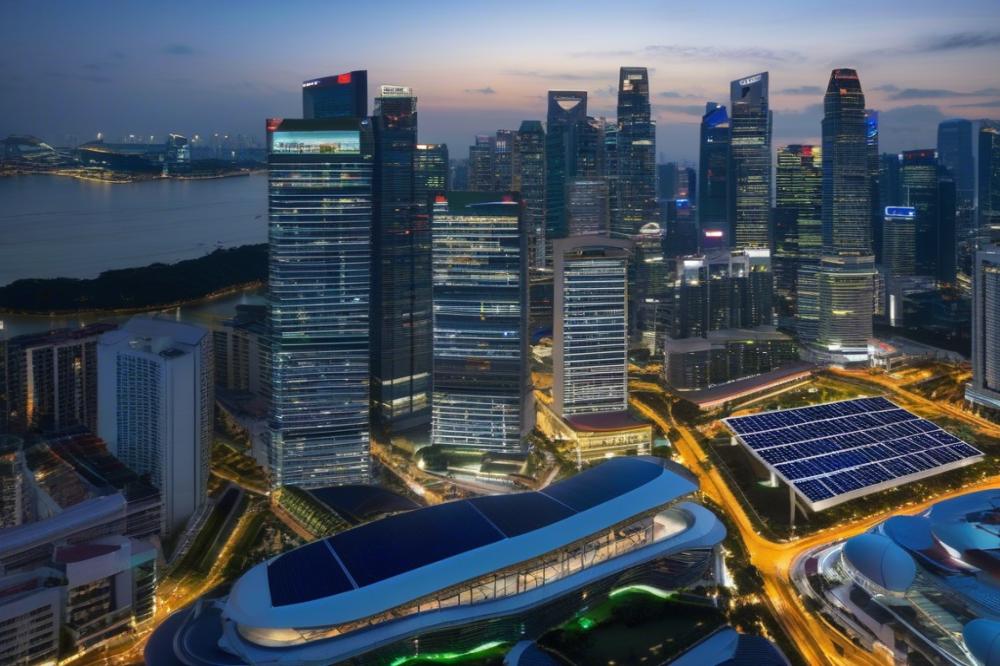
Singapore has developed various smart city initiatives that aim to improve urban living conditions. The government has invested significantly in technology and innovation. These efforts are designed to enhance safety, mobility, and energy efficiency across the city. Various projects incorporate digital solutions to support development and sustainability.
Renewable energy plays a crucial role in this vision of a smart city. Integration of clean energy sources supports the overall sustainability goals set by the nation. Solar panels, for example, help reduce reliance on fossil fuels and lower the carbon footprint. By harnessing natural sunlight, Singapore contributes to a cleaner environment.
Urban infrastructure in Singapore is evolving to become more eco-friendly. The government has taken bold steps to promote green technology, including LED lighting for public spaces. These lighting systems consume less power and last longer than traditional bulbs, enhancing energy efficiency. With better illumination, residents can feel safer and more secure in their neighborhoods.
Government initiatives have been vital in pushing the agenda for sustainability. By encouraging research and development in renewable energy, authorities foster innovation in the marketplace. Tariffs and incentives attract businesses that invest in clean technology. This proactive approach helps position Singapore as a leader in green urban solutions.
Through a combination of advanced technology and strategic policy choices, Singapore is reshaping what it means to be a smart city. Efforts to modernize the public infrastructure while staying true to sustainability goals demonstrate a commitment to future generations. As cities globally look to Singapore for inspiration, the integration of renewable energy will prove vital for achieving urban sustainability.
Environmental Impact and Carbon Footprint Reduction
Singapore’s push towards renewable energy plays a significant role in urban lighting systems. By integrating green technology, the city aims to decrease its carbon emissions. Traditional streetlights and illuminating solutions often rely on fossil fuels. These conventional methods have a high carbon footprint, negatively impacting the environment.
When comparing the impact of LEDs and other innovations with traditional lighting, the differences are clear. LED lighting consumes far less energy, making it more efficient. Transitioning from older technologies allows Singapore to cut down on greenhouse gas emissions. Energy efficiency is not just a buzzword; it’s a crucial aspect of the city’s sustainability efforts.
This movement aligns with Singapore’s vision as a smart city. Urban infrastructure will benefit profoundly from the adoption of cleaner energy solutions. A focus on reducing emissions contributes to better air quality, enhancing the health of residents. Furthermore, government initiatives encourage this shift, fostering public awareness about the importance of sustainable practices.
Over time, the long-term benefits for urban environments can be substantial. A decrease in carbon emissions means a greener future for the city. Lighting powered by renewable sources supports the broader goals of reducing dependency on non-renewable energy. Each improvement made can lead to a ripple effect throughout the community, benefiting all. City planners envision neighborhoods that not only look good but are also environmentally responsible.
As Singapore continues its journey towards sustainability, these efforts serve as a model for other cities. The collaboration between technology and environmental care defines the next phase of urban development. Transitioning to energy-efficient systems could reshape the city’s landscape and community life. Awareness of these initiatives empowers citizens to partake in the change.
Challenges and Future Prospects
Potential Challenges in Implementing Solar Panels for Urban Lighting
Implementing solar panels for urban lighting in Singapore comes with several challenges. Space is a significant concern. With high population density, rooftop installations may not always be viable. The cost of initial investments also poses a barrier. Many businesses and homeowners are hesitant to spend on new technology without guaranteed savings. Moreover, the efficiency of these systems can be impacted by weather conditions. Rainy days can limit energy production, which is crucial for lighting up the city at night. Maintenance is another issue to consider. Regular upkeep is essential for long-term function, and this can be a hassle in an urban setting.
Innovative Solutions and Technologies Emerging
Despite these challenges, innovative solutions are on the rise. New technologies are making solar more accessible. Smart lighting systems are being developed to enhance energy efficiency. These systems can adjust brightness according to the level of ambient light, reducing unnecessary energy use. Integrating LED lighting into solar setups also helps. LED fixtures consume less power and can last longer than traditional bulbs. Singapore is also exploring the use of energy storage systems. These systems can provide power even when sunlight is not available. Such advancements can significantly reduce the carbon footprint of urban infrastructure.
Future Outlook for Solar-Powered Urban Infrastructure in Singapore
Looking ahead, the future of solar-powered urban infrastructure in Singapore seems promising. Government initiatives aim to promote renewable energy throughout the city. Plans include increasing the number of solar installations on public buildings. As a smart city, Singapore is embracing green technology more than ever. Educational campaigns can also play a role in raising awareness. Community involvement in sustainability projects can foster acceptance and enthusiasm. As public attitudes shift, the adoption of renewable sources will likely expand. With the right approach, solar energy could transform the landscape of urban lighting and contribute to a greener future.
Final Thoughts on Urban Lighting and Sustainability
The impact of solar technology on urban lighting in Singapore is undeniably significant. With its integration, cities are experiencing reduced energy costs and enhanced nighttime visibility without relying heavily on traditional electricity sources. Less strain on the grid also contributes to a cleaner environment, showcasing a direct link between innovation and sustainability.
Singapore shows a strong commitment to building a greener future. By investing in renewable energy solutions, the nation positions itself as a leader in ecological responsibility. Programs and policies support the shift toward intelligent infrastructure, proving that cities can thrive while respecting nature.
The message is clear. More cities should adopt similar strategies to brighten up their streets sustainably. Residents, businesses, and policymakers must work together to champion these technologies. Exploring alternative energy sources is not just beneficial; it’s essential for the health of our planet. Let’s continue pushing for innovative solutions that promote a brighter, cleaner, and more sustainable urban environment.