Optimizing solar efficiency: The Role of Inspections in Solar Panel Performance
Solar energy stands out as one of the most promising renewable resources available today. With its ability to generate power from the sun, it offers a cleaner alternative to fossil fuels. Many households and businesses are now adopting photovoltaic systems to harness this energy. This transformation not only reduces carbon footprints but also leads to substantial savings on electricity bills.
Solar panel systems are designed to provide sustainable energy. They convert sunlight into usable electricity, making them an excellent investment for the environment and the economy. The benefits they offer include decreased reliance on non-renewable energy, increased property value, and even potential tax incentives. However, to maintain their capacity for delivering these advantages, it’s crucial to focus on solar panel care.
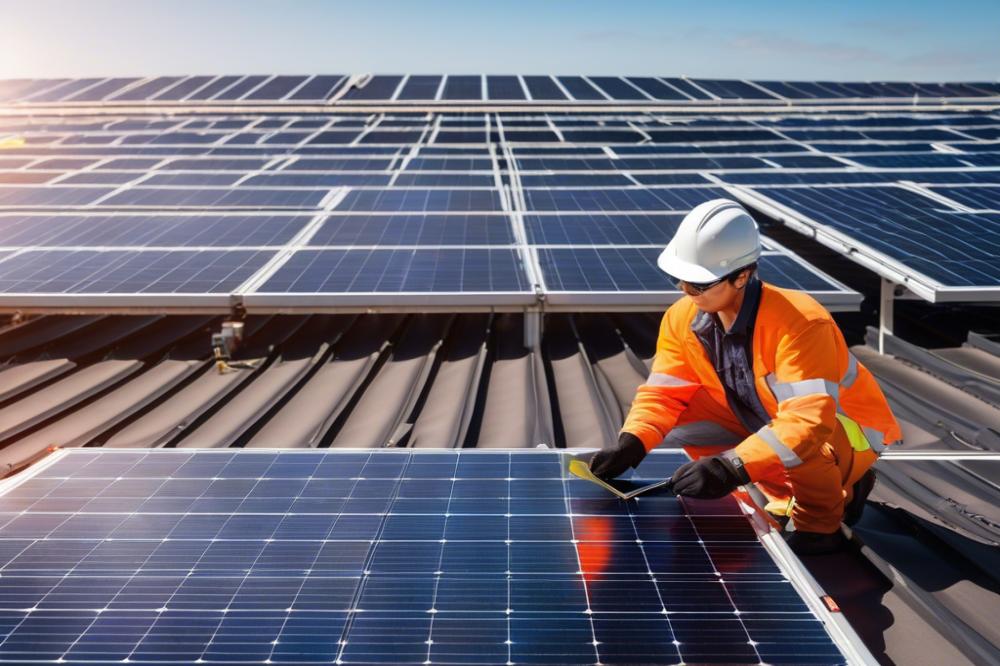
The importance of regularly checking solar panels cannot be overstated. Inspecting these systems allows users to identify any wear and tear or performance issues that could arise over time. A routine inspection schedule will help maintain optimal performance. Moreover, neglecting maintenance can lead to decreased energy output, ultimately affecting the financial return on investment.
Cleaning solar panels is another essential aspect of maintaining efficiency. Dust, dirt, and debris can accumulate over the surface, which decreases their ability to absorb sunlight. Regular inspections can help pinpoint when cleaning is necessary and catch developing problems before they escalate.
In this article, we will discuss the best practices for inspecting solar panels and maintaining their efficiency. Understanding these aspects will not only prolong the lifespan of the panels but also enhance their energy production capabilities.
Understanding Solar Panel wear and tear
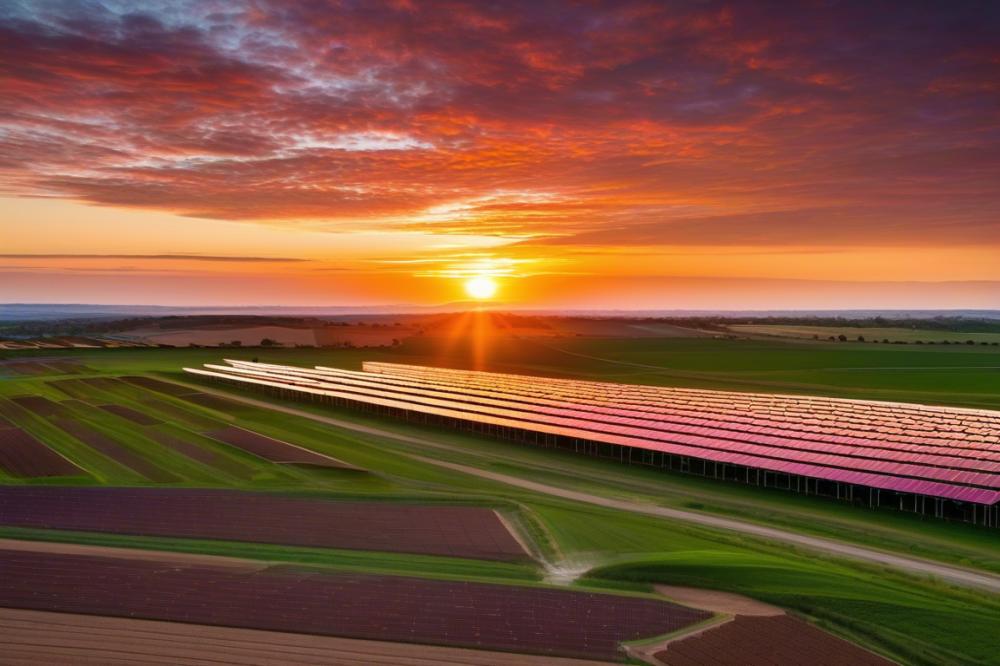
Solar panels are complex devices. They convert sunlight into electricity using photovoltaic systems. Typically, they consist of silicon cells, a protective glass layer, and a backing to hold everything together. The cells generate power when they absorb sunlight, but this process can be affected by wear and tear over time.
Various forms of damage can arise in solar panels. Scratches on the glass may not seem significant, yet they can reduce energy output. Discoloration of the cells also occurs, which might indicate potential performance issues. Additionally, loose wiring can hinder the efficiency of the system, impacting how well it functions overall.
Factors Contributing to Wear and Tear
Weather conditions play a critical role in how well solar panels perform. Rain and wind can carry debris that scratches the surface. Snow buildup can block sunlight, limiting energy production. Even extreme heat can cause components to expand or contract, leading to potential failures.
Debris is another major concern for solar panel care. Leaves, dirt, and bird droppings can accumulate on surfaces. Cleaning solar panels regularly helps maintain their effectiveness. This maintenance task is often overlooked but is necessary for optimal performance.
Impact on Energy Output and Longevity
Wear and tear have direct consequences for energy output. A panel that is dirty or damaged won’t collect as much sunlight as one in good condition. Reduced electricity generation can lead to higher energy costs. Furthermore, consistent neglect can shorten the lifespan of the system.
An effective inspection schedule is crucial. Regular checks can identify issues before they worsen. Addressing problems promptly can prolong the life of the panels. Ultimately, the goal is to maintain high efficiency and a reliable energy source for years to come.
Identifying Performance Issues
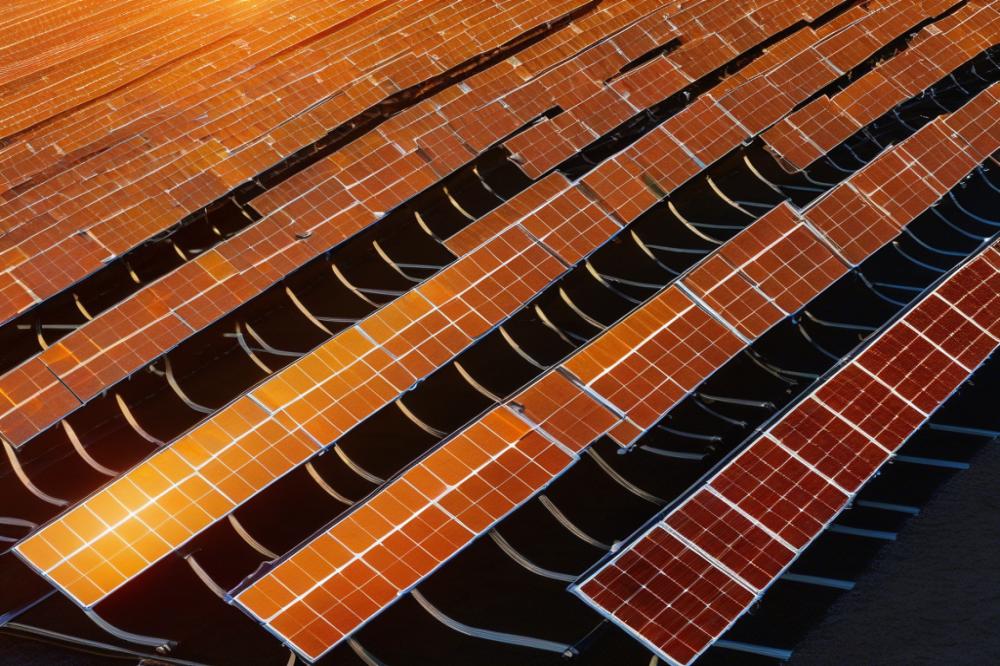
Recognizing signs of performance issues can be crucial for solar panel owners. Dirty panels may reduce efficiency by blocking sunlight. Birds nesting on the panels can create obstructions. Also, physical damage, such as cracks and chips, can hinder overall performance. Frequent shading from nearby trees or buildings will decrease energy output significantly.
Monitoring Energy Output and Efficiency
Many techniques exist for monitoring the effectiveness of photovoltaic systems. One common method involves using a solar power monitoring system. These devices analyze energy output in real-time, providing insights into any dips in performance. Additionally, comparing month-to-month energy production helps identify unusual patterns. Homeowners can also periodically check their electricity bills for changes that could suggest a decline in solar panel care.
The Importance of Early Detection
Addressing performance issues early is vital in maximizing solar energy production. Once a problem arises, it can lead to more severe consequences over time. This delay might necessitate more extensive repairs, potentially costing more than routine maintenance. Regular checks, such as an inspection schedule every six months, can help spot issues before they worsen.
Effects of Performance Issues
When performance issues arise, the impact on solar panel efficiency can be profound. A decrease in energy output translates directly into a lower return on investment. This reduction can slow down the recovery of the initial costs associated with solar installation. Moreover, consistent problems can lead to an overall decline in system reliability, making solar energy less appealing. Taking steps to address these challenges is essential for maintaining optimal performance.
Establishing an Inspection Schedule
Regular checks are essential for optimal performance of solar panel systems. Experts recommend inspecting panels at least twice a year. This routine helps identify wear and tear early. However, additional checks may be necessary depending on the weather.
Seasonal Considerations and Weather Impacts
Severe weather conditions can greatly affect solar energy efficiency. Areas prone to storms or heavy snowfall should monitor their systems more closely. For instance, after a winter season, cleaning solar panels can become crucial to remove ice and debris. Rain can clean dirt naturally, but it also might hide underlying issues.
Creating an Effective Maintenance Plan
Your maintenance plan should include seasonal checks and cleaning schedules. Pay attention to trees or buildings that cast shadows on panels. Over time, this can reduce energy output significantly. Also, consider your location’s specific weather patterns when planning inspections. Dusty areas might require more frequent cleaning than those with frequent rain.
Keeping a Log of Inspection and Maintenance Activities
Documenting every inspection and maintenance activity is vital. This log helps track changes in performance issues or frequent repairs. It can also indicate if your maintenance schedule needs adjusting. By noting the details, homeowners can spot trends over time. That way, unexpected issues may be identified before they escalate.
Ultimately, a proactive approach to solar panel care enhances longevity and efficiency. As energy output is directly tied to how well panels are maintained, ensure you stay on top of your inspection schedule.
Maintaining and Caring for Solar Panels
Regular upkeep is essential for your solar panels. Daily and seasonal maintenance routines help keep them operating at peak efficiency. Checking for dust, debris, or any obstructions should be part of your daily tasks. Seasons change, so adjustments may be necessary during harsh weather conditions like snow or heavy rain.
Cleaning Solar Panels: Best Practices and Safety Precautions
Cleaning solar panels is vital for maintaining their energy output. When dirt, leaves, or snow build up, energy production can drop significantly. It’s best to clean them during cooler parts of the day to avoid damage from heat. Use a soft brush or a squeegee with water to gently scrub the surface. Avoid harsh chemicals since they may leave residues that reduce efficiency. Always remember to prioritize safety. If you need to access the roof, use a sturdy ladder and consider safety harnesses.
Professional Services vs. DIY Maintenance Options
Many homeowners wonder whether to hire professionals or go the DIY route for maintenance. Professional services often have the experience and tools necessary for thorough inspections. They can spot wear and tear and performance issues that might go unnoticed. However, DIY maintenance is cost-effective. With the right knowledge and tools, you can perform basic tasks without outside help. Weigh the benefits of your own time and capability against the cost of professional services.
Benefits of Regular Maintenance for Maximizing Energy Output
Regular maintenance leads to improved performance in photovoltaic systems. Well-maintained panels boost energy output and can result in lower utility bills. Addressing issues early prevents larger problems down the line. Having an inspection schedule helps in keeping track of necessary tasks. Additionally, homeowners who invest time in their solar panel care often see better returns on their investment. Keeping your solar energy systems in top condition makes sense for both the environment and your finances.
Wrapping Up the Importance of Solar Panel Care
Regular inspection and maintenance of solar panels are crucial. When panels are well-maintained, they function more effectively. Neglecting them can lead to wear and tear, which will decrease their efficiency over time.
Performance issues can occur due to various factors, including dirt buildup or damaged components. Even small problems can result in significant drops in energy production. This is why regular check-ups are essential for catching issues early.
Prioritizing maintenance can have a positive effect on the longevity of your solar energy system. A little effort goes a long way. By keeping your panels in top condition, you can maximize their energy output and save money on repairs down the line.
In the end, consistent care and attention to your solar panels is an investment in clean energy. Take the time to inspect your system regularly. Your future self will thank you for ensuring a more sustainable and efficient energy source.