Introduction
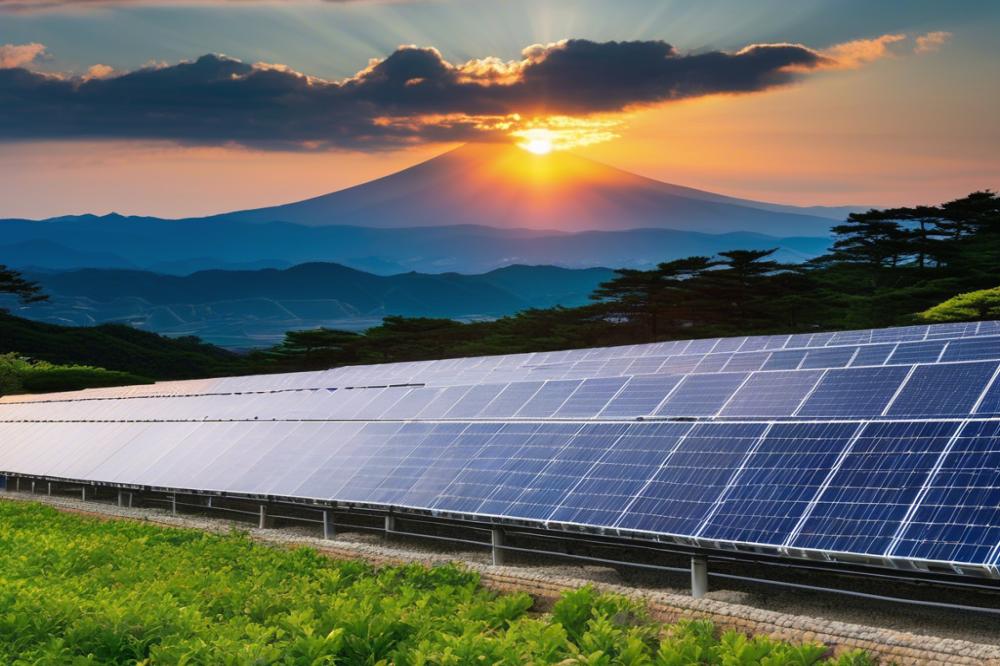
Japan plays a significant role in the global solar panel manufacturing landscape. Known for its cutting-edge technology, the country has made impressive strides in photovoltaic technology. Manufacturers in Japan have been at the forefront of innovation, helping to shape the future of solar energy. By focusing on high-efficiency designs, they enhance the performance of solar cells, making them a crucial component in the renewable energy movement.
The importance of high-efficiency designs cannot be overstated. As the world shifts towards sustainable energy sources, maximizing energy output becomes essential. High-efficiency solar panels allow for greater energy production even in limited spaces. This leads to better module performance, which is vital for both residential and commercial settings. With energy efficiency as a goal, these advanced technologies contribute to a cleaner planet.
Renewable energy initiatives across the globe rely on advancements in solar technologies. Countries are seeking solutions to combat climate change. In this context, Japan’s contributions are particularly noteworthy. With its expertise and experience in solar manufacturing, the nation continues to lead the way in creating solutions that promote sustainability. The combination of innovation and commitment to clean energy makes Japan a key player in shaping a greener future.
Japan’s Leadership in Solar Panel Manufacturing

Japan has a rich history in solar manufacturing that spans several decades. In the late 20th century, the nation began investing heavily in renewable energy technologies. This led to the development of efficient solar cells that helped pave the way for contemporary innovations.
Historical context of Japan’s solar manufacturing industry
The journey of solar energy in Japan began in the 1970s. Rising oil prices and environmental concerns motivated the quest for alternatives. Researchers and manufacturers focused on how to harness solar power effectively. Over the years, Japan emerged as a leader in photovoltaic technology. The combination of government support and a strong industrial base spurred rapid advancements.
Key companies and their contributions to photovoltaic technology
Several companies play crucial roles in Japan’s solar landscape. Panasonic, for instance, has pioneered high-efficiency solar cells known for their impressive energy conversion rates. Sharp, another significant player, has a long history of developing solar modules that deliver excellent performance. These firms continually push the limits of energy efficiency, ensuring that their products meet the needs of a growing market.
Impact of government policies on solar manufacturing innovation
Japan’s government has actively supported the solar manufacturing sector. The feed-in tariff program introduced in 2009 encouraged investments in renewable energy. Policies have fostered a competitive environment for innovation. As a result, companies have sought out cutting-edge technologies to improve module performance. The emphasis on sustainability aligns perfectly with Japan’s vision of a greener future. Public and private collaborations drive new ideas forward.
High-Efficiency Solar Cell Designs
Understanding what makes solar cells high-efficiency is essential for grasping their importance in renewable energy. High-efficiency solar cells convert sunlight into electricity more effectively than standard models. Key features include improved materials and advanced designs. Many factors contribute to their superior performance, such as enhanced light absorption and reduced energy loss.
In the realm of solar manufacturing, Japan stands out. Japanese designs often outperform their global counterparts in efficiency ratings. Brands like Panasonic and Sharp have gained recognition for their innovative photovoltaic technology. These companies have made significant strides in producing solar cells that can reach conversion rates of over 22%. This performance level sets a high bar in the industry, showcasing Japan’s commitment to clean energy solutions.
Technological advancements play a significant role in these developments. Research in materials science has led to lighter and more durable components. For instance, the introduction of bifacial solar cells allows light to be absorbed from both sides. Such innovations boost module performance and overall energy efficiency. Furthermore, using materials like perovskite is gaining traction. Researchers are exploring these new options to create even more effective solar cells.
The industry’s shift towards sustainability is evident in Japan’s practices. Many manufacturers prioritize eco-friendly processes in their production. Reducing waste and optimizing energy use during manufacturing has become standard. This commitment not only enhances their reputation but also aligns with global trends toward greener manufacturing practices. Japanese companies actively participate in this evolution, pushing the boundaries of what solar technology can achieve.
Collaboration within Japan’s tech sector fuels this progress in clean energy. Companies frequently partner with academic institutions for cutting-edge research. Such partnerships lead to breakthroughs that can reshape solar cell design. Overall, the focus on high-efficiency designs positions Japan as a leader in the solar industry. Their continuous drive for innovation reflects a broader goal to meet the world’s growing energy needs sustainably.
Sustainability and Innovation in Japan’s Solar Industry
Japan has long been committed to clean energy and environmental sustainability. The nation views renewable energy as essential for a greener future. In recent years, the focus has sharpened on solar technology, particularly through innovation in manufacturing practices. Companies are striving to enhance energy efficiency while minimizing waste and environmental impact.
Innovative practices play a key role in Japan’s solar manufacturing landscape. Advanced designs for photovoltaic technology have emerged from local laboratories. These designs often aim for higher module performance and increased durability. By adopting cutting-edge techniques, manufacturers are improving the efficiency of solar cells significantly. As a result, solar products become more effective and can produce more energy over time.
Alongside innovation, challenges remain in the industry. Manufacturers face pressure from global competitors as prices for solar products fluctuate. This can hinder Japan’s ability to maintain its market share. Additionally, sourcing materials ethically and sustainably is an ongoing hurdle. In response, companies are exploring methods to recycle materials and develop new sources. Sustainable practices are becoming an integral part of the manufacturing process.
Japan’s dedication to clean energy is reflected in its policies and practices. Government initiatives support the transition to renewable energy sources. They provide incentives for companies investing in sustainable manufacturing techniques. These measures encourage a shift towards greener practices and support innovation. The overall aim remains clear: to position Japan as a leader in the solar industry while promoting environmental stewardship.
Global Insights on Solar Panel Trends
How Japan’s Advancements Influence Global Solar Panel Markets
Japan has been a key player in the development of photovoltaic technology. The country’s focus on innovation and energy efficiency has set high standards in the industry. Companies in Japan are pioneering cutting-edge designs and techniques that improve module performance. These advancements are not just beneficial for Japan but create ripples across the global market. As manufacturers worldwide look to optimize their products, they often look to Japanese designs for inspiration.
High-efficiency solar cells from Japan enhance overall performance. The trend of adopting more effective designs is evident in emerging markets, as well. Nations are keen to harness renewable energy sources, and Japan’s products often lead the charge. With cleaner energy solutions gaining traction, Japan stands at the forefront, influencing various global policies aimed at sustainability.
The Role of Collaboration Between Japan and Other Countries in Solar Manufacturing
Japan’s solar manufacturing sector does not operate in isolation. Partnerships with other countries have been vital for sharing technology and resources. Collaborative efforts have led to enhanced research and development, pushing the boundaries of what is possible in solar energy. Countries across Asia and beyond are forging alliances with Japanese firms to optimize their own solar capabilities.
Joint ventures bring together diverse expertise, creating a synergy that benefits all parties involved. By combining strengths from different regions, the pace of innovation can accelerate. Countries with abundant sunlight can learn from Japan’s technological advancements while contributing their own resources. This exchange fosters an environment where clean energy becomes more accessible worldwide.
Future Outlook for Japan’s Solar Industry in the Global Context
Looking ahead, Japan’s solar industry will likely continue its upward trajectory. The commitment to research and development will keep Japan at the cutting edge of solar technology. Trends indicate that more nations will adopt strategies modeled after Japan’s approach, bolstering their own clean energy initiatives. Moreover, the global demand for sustainable energy solutions is set to rise, creating new opportunities for Japanese manufacturers.
Japan must also navigate challenges posed by international competition. Countries investing heavily in renewable energy may accelerate innovations that directly rival Japan’s advancements. As a response, continued emphasis on quality and efficiency will be crucial. With the world increasingly aware of climate change, Japan’s role as a leader in solar manufacturing may solidify even further.
In a rapidly changing landscape, adaptability will dictate success. Ongoing commitment to high-efficiency designs will keep Japan relevant in this vital sector. The global focus on sustainability will provide avenues for new partnerships and innovations, ensuring that Japan remains a central player in the future of clean energy.
Final Thoughts on Japan’s Solar Manufacturing Impact
Japan has played a crucial role in advancing the technology behind solar energy. Its commitment to developing high-efficiency designs has set a benchmark for others in the industry. The nation’s investment in research and development has led to significant breakthroughs that improve energy capture and conversion. This dedication showcases Japan’s leadership in the renewable energy sector.
Continued innovation is essential as the world moves toward cleaner energy sources. Challenges such as climate change demand ongoing advancements in technologies. New and improved designs can help maximize energy use and lower costs. Stagnation in research could hinder progress, making it vital to support new ideas and approaches.
Looking beyond Japan, the impact of its solar technology advancements resonates globally. These innovations not only benefit Japan but can also influence how other countries approach renewable energy. By sharing knowledge and technology, countries can collectively address the pressing need for sustainable energy solutions. The cooperation in this sector could lead to a more sustainable future for all.