
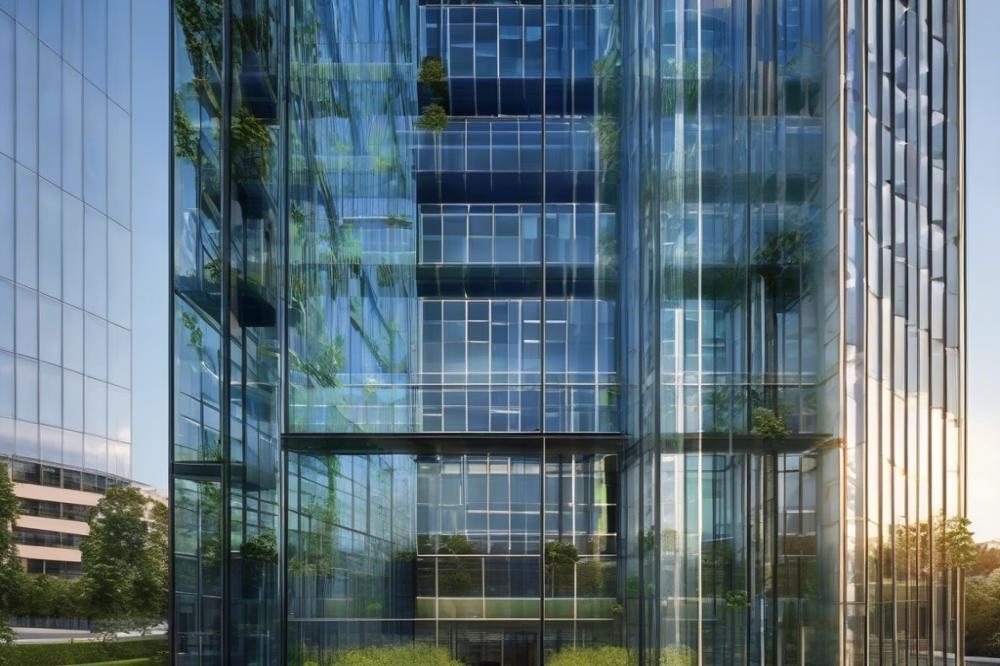
Understanding solar glass and Its Significance
solar glass, an innovative building material, plays a crucial role in promoting energy efficiency in modern office buildings. This type of glass integrates solar technology directly into the structure. By harnessing sunlight, it contributes to energy production while maintaining aesthetic appeal. In recent years, the push for carbon neutrality has become stronger. Architects and builders increasingly prioritize eco-friendly materials in their projects.
The need for sustainable architecture is paramount as climate change continues to affect global communities. energy efficiency remains a key focus for both new constructions and renovations. Conventional energy sources often lead to high carbon emissions, which threaten the environment. Office buildings, as significant consumers of energy, have a responsibility to adopt greener practices. Solutions that reduce environmental impact are more important than ever.
net-zero energy buildings aim to balance energy consumption with renewable energy generation. These structures produce as much energy as they consume over the course of a year. By integrating technologies like building-integrated photovoltaics, office spaces become more self-sufficient. This concept represents a shift towards greener architectural design. Choosing the right materials can enhance the overall functionality and performance of a building.
In summary, the advancement of solar glass aligns with the goals of sustainable architecture and carbon neutrality. As urban areas continue to grow, energy-efficient solutions will play a vital role in the future. The integration of renewable energy sources is not just beneficial; it’s essential for creating a healthier planet. A commitment to these practices today will lead to more sustainable cities tomorrow.
Understanding Solar Glass
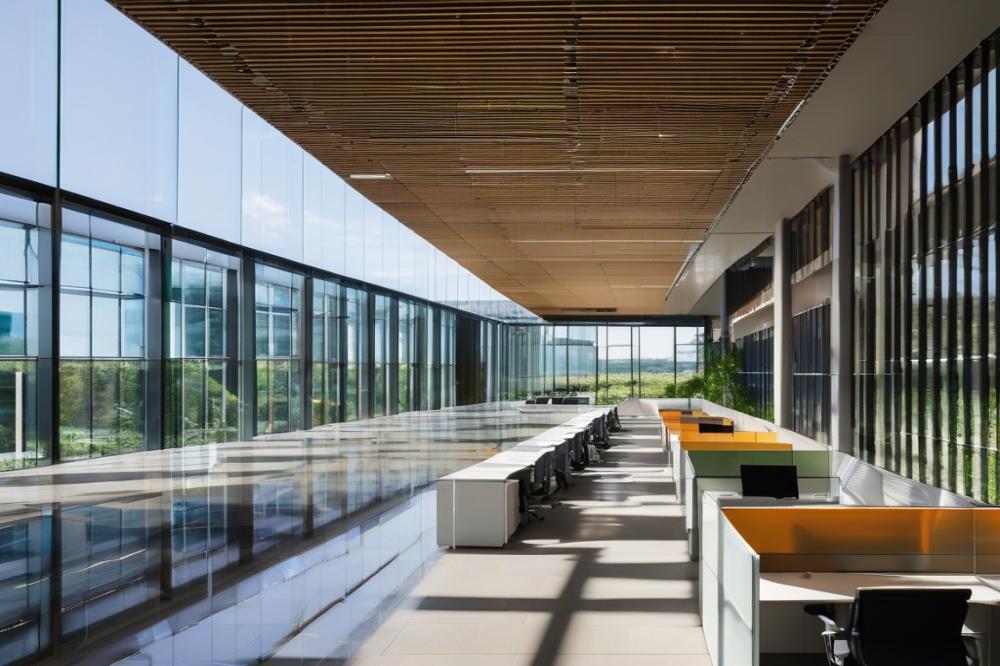
Solar glass represents an exciting development in modern construction technology. This innovative material combines traditional glass with the ability to generate electricity. It integrates photovoltaic cells, allowing windows and surfaces to harvest energy from sunlight. This form of glass is often termed photovoltaic glass or building-integrated photovoltaics (BIPV).
In essence, BIPV products replace conventional building materials, making them part of the building’s structure. Such integration allows for significant flexibility in architectural design. Unlike regular glass, which offers only transparency and aesthetic appeal, solar glass produces renewable energy while maintaining a sleek appearance.
Applications for this technology are diverse. Architects can creatively incorporate it into facades, skylights, and solar shading systems. By doing so, buildings become self-sufficient energy producers. This shift plays a vital role in sustainable architecture as it helps reduce reliance on non-renewable energy sources.
Using eco-friendly materials brings numerous advantages. Not only do they align with the goal of carbon neutrality, but they also enhance energy efficiency. Buildings designed with these materials can significantly lower their operational costs. In addition, they contribute positively to the environment by minimizing carbon footprints.
Key benefits include increased energy production and a reduced impact on nature. When structures incorporate renewable technologies, they promote green building standards. These advancements in design can attract tenants and buyers who prioritize sustainability.
In summary, solar glass transforms the way we think about buildings. It merges functionality with environmental responsibility, paving the way for a greener future in construction.
Energy Production and Efficiency
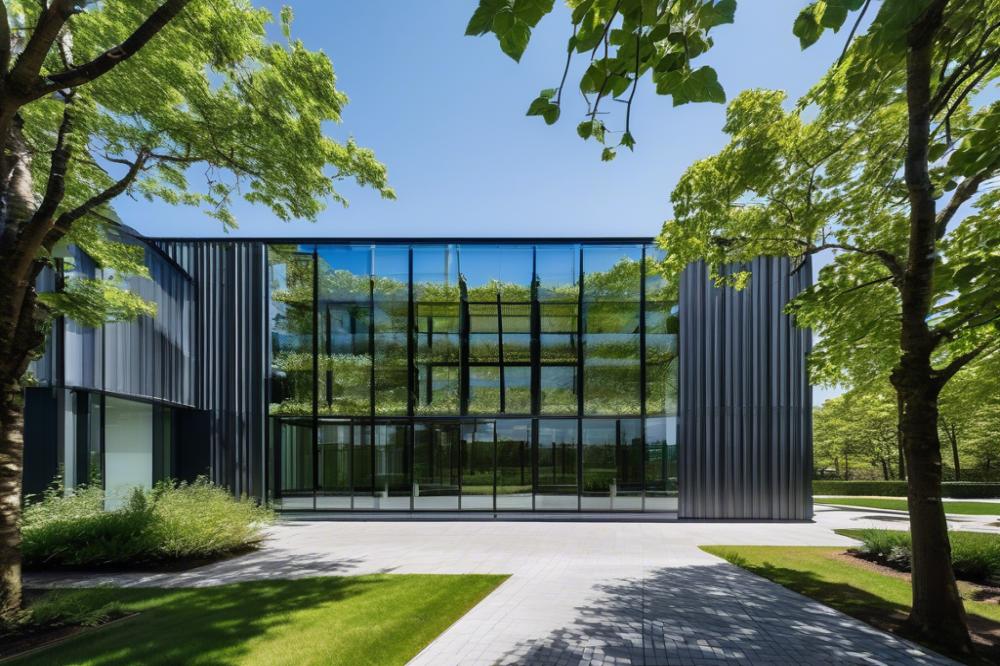
The integration of photovoltaic glass into office buildings marks a significant shift in sustainable architecture. This innovative material not only serves as a functional building element but also generates electricity. By harnessing sunlight, it contributes to energy production in a way that traditional materials cannot. More offices are recognizing this potential to achieve net-zero energy goals.
Building-integrated photovoltaics play a crucial role in improving energy efficiency. With these systems, offices can reduce reliance on conventional energy sources. This change means lower utility bills and a smaller carbon footprint. Implementing eco-friendly materials like photovoltaic glass also supports greener building designs.
In cities around the world, notable examples showcase the benefits of this technology. For instance, a well-known corporate office in San Francisco incorporated glass that generates power through sunlight. Their commitment to energy efficiency has resulted in a 40% reduction in overall energy consumption. This is impressive and highlights the impact that thoughtful architectural design can have.
Renewable energy sources, particularly sun-driven models, are essential for carbon neutrality. Not only do they offer sustainable power, but they also enhance the aesthetic appeal of these offices. Many architects are now designing with the dual purpose of function and form, integrating energy production seamlessly into the workspace. Such designs can inspire other buildings to follow suit.
Furthermore, as these offices see improvements in energy consumption, the benefits extend beyond just cost savings. Employees in these spaces report higher satisfaction due to improved indoor environments. This relationship between the building and its occupants reinforces the importance of energy-efficient materials. In the end, these choices shape a better future for both the planet and its people.
Architectural Design and Aesthetics
Integrating solar technology into the design of office buildings brings new possibilities for architectural innovation. This approach helps promote sustainable architecture while also enhancing visual appeal. Photovoltaic glass provides an effective way to generate energy without sacrificing aesthetics. Designers can blend large areas of glass with functionality. The result is often stunning and practical.
One remarkable feature of building-integrated photovoltaics is their ability to serve dual purposes. They function as a typical façade material while also contributing to energy production. This reduces reliance on conventional sources of power. The use of eco-friendly materials reflects a commitment to green building practices. Many architects appreciate the versatility of these materials in creative endeavors.
Several successful projects highlight the potential of incorporating solar glass. For instance, the Bosco Verticale in Milan stands out. Its two residential towers integrate greenery along with energy-producing glass, creating a visually striking environment. Another example is the EDIFICE in France, which uses this technology innovatively to achieve carbon neutrality. This building incorporates renewable energy sources seamlessly into its design.
Moreover, aesthetics play an essential role in modern office buildings. Expansive glass surfaces can create bright, airy workspaces. Natural light reduction aids in minimizing artificial lighting needs, which enhances energy efficiency. People often feel more connected to nature in such environments.
Architects are now challenged to create offices that embody both functionality and beauty. They can experiment with shapes, colors, and orientations. Distinctive styles can emerge by analyzing the surrounding landscape and community. Solar glass serves as a canvas for creativity while helping reduce carbon footprints.
Public interest in eco-friendly buildings continues to grow. Many individuals prioritize sustainability when selecting workplaces. This trend encourages developers to invest in innovative designs. A focus on visual harmony, energy efficiency, and sustainability draws attention.
Ultimately, the combination of architectural design and renewable materials paves the way for the future of office buildings. Interests in this area are likely to evolve, as demand for sustainable choices rises. Incorporating solar technologies signifies a shift towards environments that inspire creativity and promote responsible energy usage.
The Future of Solar Glass in Green Buildings
Emerging trends in renewable energy show promising changes in the landscape of construction. Photovoltaic glass is becoming more prevalent in architectural design. This technology is not just about energy efficiency; it integrates seamlessly into buildings. More designs use building-integrated photovoltaics as a main feature. These advancements could lead to a significant reduction in energy consumption in office spaces.
Market demand for eco-friendly materials continues to grow. Workers and clients alike are increasingly aware of sustainability issues. Builders are responding by seeking materials that contribute to carbon neutrality. Furthermore, regulations and policies are evolving in favor of green building techniques. Governments are incentivizing the use of sustainable architecture through grants and tax breaks. This shift could drive the expansion of solar glass applications.
As more companies invest in renewable energy solutions, there is an opportunity for innovation. The potential for this technology to revolutionize construction practices is immense. Office buildings that harness energy production directly from their windows would represent a major leap forward. The introduction of photovoltaic glass will likely reshape how people perceive energy in buildings.
Different regions may adopt these technologies at varied paces. Local climates and economic factors will influence choices in construction materials. However, the trend towards greener buildings seems certain to persist. Solar solutions combined with modern architecture represent the future of sustainable construction. For many, the goal of achieving net-zero energy consumption is becoming attainable.
Ultimately, as designers and builders collaborate on these projects, they contribute to a larger movement. An increasing number of developers prioritize eco-friendly options over conventional alternatives. This transformation in the construction industry demonstrates a shift in values towards sustainability. Each decision made can inspire further advancements, leading to a new standard for office buildings.
The Path Forward with Solar Innovations
The importance of solar glass in office buildings cannot be overstated. It plays a crucial role in achieving energy efficiency and pushing toward carbon neutrality. By integrating this technology, architects and builders can design workspaces that harness the sun’s power while meeting the demands of modern life. This advancement contributes significantly to sustainable architecture, encouraging a shift towards greener practices.
Office buildings equipped with these innovative materials can produce clean energy while maximizing light and reducing dependence on traditional power sources. This not only lowers operational costs but also diminishes the overall carbon footprint. Encouraging this trend can lead to a broader acceptance of eco-friendly designs and materials in the construction industry.
Looking ahead, the future of building practices hinges on continued innovation. As developers embrace these advancements, there is potential for greater impact. Ongoing research and development will foster new solutions that enhance performance and aesthetics. The construction industry must prioritize the adoption of solar technologies. Together, these efforts will pave the way for a sustainable tomorrow.

