Introduction
The importance of maintaining solar panels cannot be overstated. With more homes and businesses turning to solar energy as a clean alternative, it is vital to keep these systems working efficiently. A small problem can lead to serious malfunction over time. Regular care can prevent decay and ensure that solar panels operate at their best.
Solar panels convert sunlight into electricity, which means they rely on direct exposure to the sun. This transformation happens through photovoltaic cells, which are sensitive to dirt, damage, and other environmental factors. When maintained properly, they produce energy efficiently. However, neglecting their upkeep can lead to reduced performance.
Regular inspections play a significant role in enhancing the longevity of solar panels. These check-ups can identify issues before they escalate into costly repairs. This proactive approach not only improves efficiency but also contributes to the overall safety of the installation. Just like any other technology, solar systems require troubleshooting to maximize their potential.
Cleaning panels from debris and dust is part of maintenance. Each inspection enables people to see potential risks and take corrective actions. By addressing small issues early, you can avoid bigger problems later on. Keeping solar energy systems in top shape means enjoying uninterrupted benefits for many years.
Understanding Solar Panel malfunction and decay
Common Causes of Malfunction in Solar Panels
Malfunctions in solar panels can arise from several issues. Poor connections can disrupt energy flow. Over time, wear and tear often leads to problems. Inverter failures are also a significant concern. If the inverter fails, it can halt energy production entirely. Additionally, internal components might degrade due to extended use. Simple user errors during installation may also create issues. These malfunctions can drastically affect performance, leading to less energy production.
Factors Contributing to Decay Over Time
Decay in solar panels typically results from various natural factors. UV radiation is powerful. It can break down materials over years. Other environmental influences, such as humidity, can cause corrosion. Dust accumulation may lower efficiency as well. Regular cleaning helps combat this issue. However, neglecting maintenance can amplify deterioration. Components like wiring can degrade, impacting the overall system’s functionality. The longevity of solar panels, therefore, heavily relies on timely check-ups and repairs.
Impact of Environmental Conditions on Solar Panel Efficiency
Environmental conditions play a critical role in how efficiently panels operate. Shade from trees or buildings can severely limit solar energy absorption. In addition, extreme weather events may also pose risks. Heavy storms can damage the physical structure of panels. Unexpected snowfall can create additional weight, leading to possible breakage. The clarity of the area around them also matters. Dirty panels struggle to perform optimally. Regular inspections and cleaning are vital to maintaining efficiency. Understanding these factors helps in effective troubleshooting.
Benefits of Regular Inspections
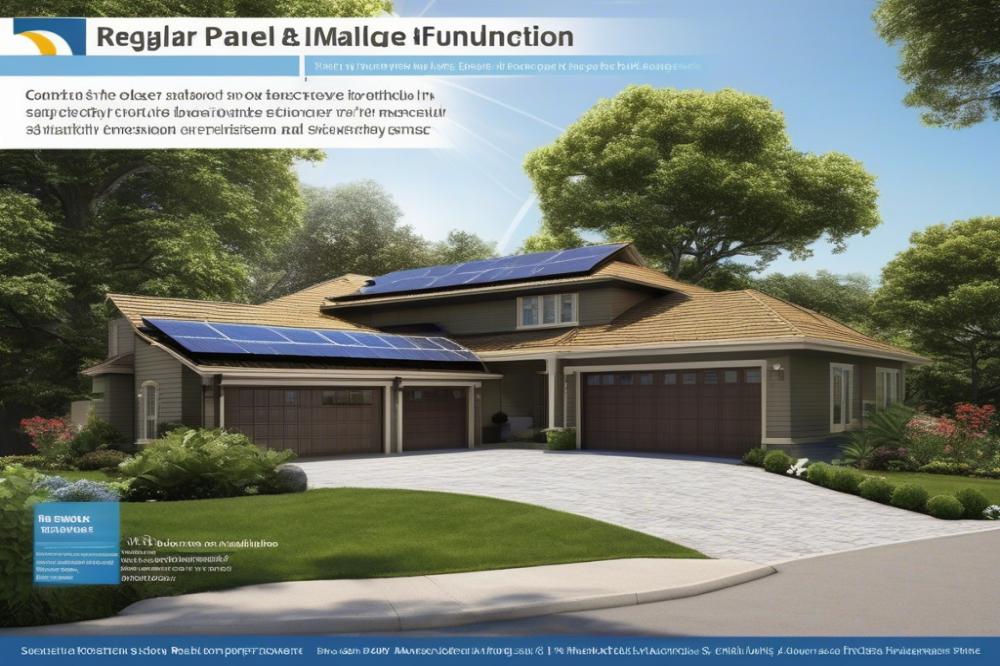
Regular inspections offer many advantages that are crucial for solar energy systems. Early detection of issues often leads to fewer complications down the road. For instance, minor problems can be identified during routine checks, preventing more significant repairs later. This proactive approach means that homeowners can catch malfunction before it escalates.
Ensuring optimal performance is another key benefit. When panels are inspected regularly, their efficiency can be maximized. Dust and debris can hinder energy output. Cleaning the panels removes these barriers and helps maintain consistent energy production.
Safety also plays a vital role in inspections. Identifying potential hazards can safeguard homeowners and their properties. Electrical issues, such as frayed wires or exposed connections, pose risks that inspections can uncover and address. Thus, safety and functionality go hand in hand.
The longevity of solar panels is significantly improved through these routine checks. Regular maintenance, including minor repairs and adjustments, can extend the lifespan of the entire system. This means that the investment in solar energy systems pays off for many years.
In summary, the benefits of regular inspections are clear. With consistent troubleshooting, homeowners can ensure their solar panels operate at their best. This not only maximizes production but also reduces the likelihood of decay. Staying on top of maintenance is essential for anyone relying on solar power.
Key Aspects of Solar Panel Inspections
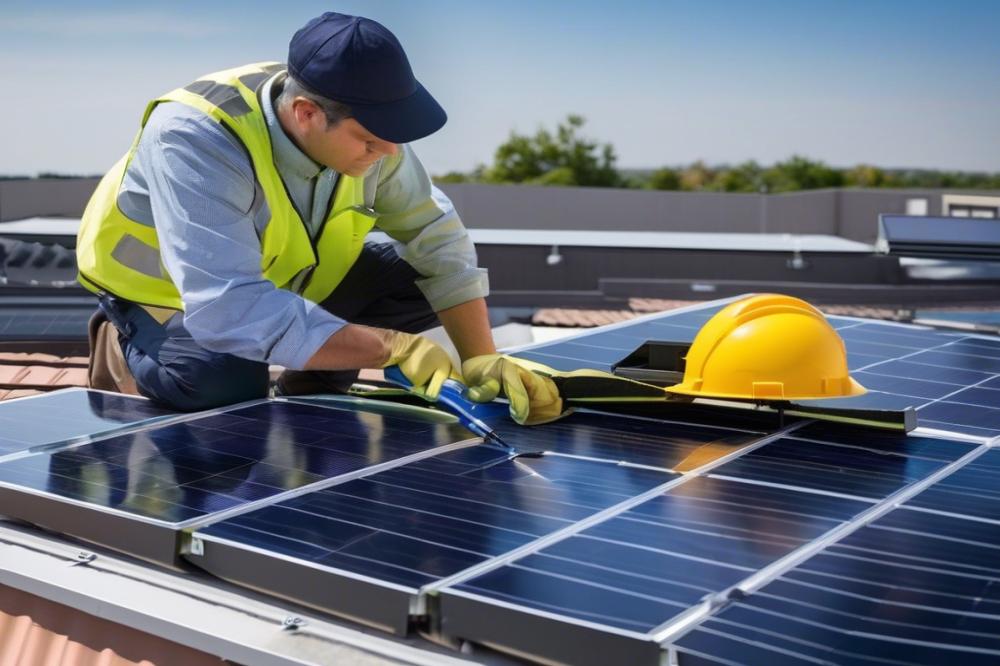
Visual inspections play a crucial role in maintaining solar panels. They help detect physical damage such as cracks or chips. It’s essential to look for signs of wear that could lead to bigger issues. Regular check-ups can catch problems early, preventing costly repairs later.
Electrical inspections monitor the performance of solar energy systems. Technicians examine wiring and connections for faults. They measure voltage and current to assess the overall performance metrics. Staying on top of these evaluations supports optimal energy production.
Another important factor involves checking for dirt and debris accumulation. Accumulations can significantly reduce efficiency, blocking sunlight from reaching the cells. Regular cleaning can keep the panels operating at their best. Ignoring this aspect could lead to decreased energy output over time.
Troubleshooting techniques are vital for identifying specific issues. When malfunctions occur, prompt diagnosis is essential. Technicians may use infrared cameras to locate hot spots, indicating electrical problems. Understanding these techniques aids in crafting effective repair solutions.
Regular inspections also contribute to the longevity of solar systems. Safety is paramount when dealing with electrical components. A thorough check can help prevent accidents caused by faults. When technicians perform these assessments, they promote a safe environment for everyone.
Overall, inspections serve as a preventative measure against common problems. They address decay before it’s too late. Proactive maintenance leads to a more reliable solar energy experience.
Cleaning and Repair as Part of Maintenance
Regular cleaning is essential for maintaining the efficiency of solar panels. Dust, dirt, and debris can accumulate on the surface, blocking sunlight. This blockage can lead to decreased performance and even malfunction over time. Clean panels can capture more solar energy, which maximizes their output.
A few effective strategies exist to clean panels without causing damage. Using a soft brush or sponge is advisable. It’s best to avoid harsh chemicals that could harm the panel’s surface. A simple blend of mild soap and water often does the trick. Timing is also key; cleaning during the early morning or late evening can prevent thermal shock and cracking.
Knowing when to repair versus replace components is crucial for keeping a solar system running smoothly. If a small part shows signs of wear but functions well, a repair might be sufficient. However, significant damage often requires a complete replacement. Understanding how to troubleshoot these issues helps in making informed decisions.
Preventive maintenance can also be cost-effective in the long run. Regular inspections and timely repairs can prevent more extensive damage later. Investing a little now can save a lot down the road. Longevity is key in solar equipment, and maintaining the system helps to preserve its life. Each decision about cleaning and repair impacts overall efficiency and performance.
Safety should always be a priority while performing maintenance. Working on solar panels can pose risks, especially if they are mounted on rooftops. Always take precautions and consider hiring professionals for high-risk tasks. Ensuring a safe environment allows for an effective maintenance routine, which protects both the system and the individual.
Frequency and Scheduling of Inspections
Recommended Inspection Frequency Based on Conditions
Regular checks are essential for maintaining solar panels. Homeowners should ideally schedule inspections at least twice a year. This frequency is typically sufficient for most residential setups. However, specific locations may require more attention. Areas prone to extreme weather or heavy debris might need quarterly inspections. These regular assessments help prevent malfunction and decay in the system.
Seasonal Considerations for Optimal Performance
Paying attention to the seasons can greatly impact the efficiency of solar panels. Spring and fall are often the best times for inspections. During these periods, panels may accumulate dust or leaves. Regular cleaning during the warmer months can enhance performance. Additionally, in regions with harsh winters, checking for snow accumulation is vital. Keeping panels clear of snow can prevent added weight that could lead to damage.
Role of Professional Services Versus DIY Inspections
Some homeowners may feel comfortable troubleshooting their systems. DIY inspections can be cost-effective and straightforward for those with basic knowledge. Regular visual checks can uncover common issues. Nevertheless, professional services bring expertise to the table. Trained technicians can identify concerns that may go unnoticed at first glance. Hiring professionals ensures a thorough cleaning and repair process that promotes longevity.
Safety is another factor to consider. Climbing onto roofs presents risks. Professionals are equipped to handle these challenges safely. Ultimately, the choice between doing it yourself or hiring a service depends on personal comfort and the system’s unique needs.
Final Thoughts on Solar Panel Care
Regular inspections play a crucial role in maintaining solar panels. These checks help identify potential issues before they escalate into major problems. Neglecting this aspect can lead to malfunction, loss of efficiency, and costly repairs. Homeowners should recognize the significance of these routine assessments.
Proactive maintenance is essential for the lifespan of solar energy systems. A few simple steps taken each year can yield significant benefits. Observing the condition of panels ensures they work effectively. This can save money on energy bills while promoting environmental sustainability.
The long-term benefits of consistent care cannot be overstated. Over time, proper upkeep reduces the risk of decay in both the physical structure and functionality of the system. Investing time in inspections eventually pays off, protecting both the system and your finances.
In conclusion, staying engaged with the health of your solar panels is not just smart; it’s necessary. Everyone benefits from clean energy when systems perform optimally. Let’s commit to regular checks and ensure our solar investments thrive.