
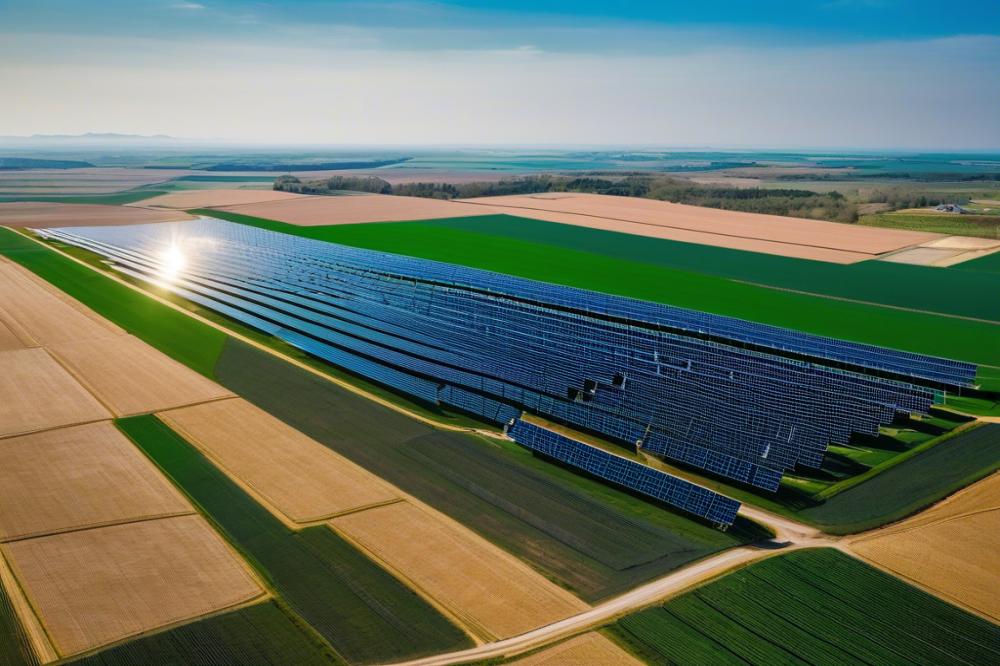
Overview of sustainable growth and solar energy
The role of solar energy is crucial in the pursuit of sustainable growth today. As populations grow and industries expand, the demand for clean energy becomes increasingly urgent. In 2025, embracing a green economy can significantly mitigate the adverse effects of climate change. Society must prioritize renewable energy sources to maintain ecological balance while supporting economic growth.
Green economies represent an innovative approach to creating jobs and fostering sustainable development. Such economies rely on technologies that reduce carbon emissions while promoting energy efficiency. Clean technology initiatives aim to create a healthier environment without sacrificing economic progress. The significance of these strategies becomes clear when considering the impact of traditional fossil fuels on our planet.
Key themes guiding this transition are equally important to address. For instance, the relationship between energy transition and climate change cannot be overstated. By shifting toward alternatives, communities can reduce their reliance on non-renewable energy sources. This shift is fundamental to advancing carbon reduction efforts and creating a more sustainable future. Embracing solar power is just one way to promote a cleaner and greener economy.
Environmental impact should be a central focus as nations strive for growth. While progress is vital, it must not come at the expense of the planet’s health. Individuals and governments alike have much to learn and do to meet these challenges. In summary, the push for renewable energy sources like solar energy is essential for fostering sustainable growth. The journey toward a greener economy will redefine our relationship with energy and the environment, making careful planning and dedication imperative.
The Current State of Solar Energy
As of 2023, the adoption of solar energy around the world has reached impressive levels. Many countries have made significant investments in this renewable energy source. These efforts have led to a remarkable increase in capacity, allowing for more homes and businesses to benefit from cleaner power.
Technological advancements have played a crucial role in this growth. Innovations in photovoltaic cells, for example, have improved the efficiency of solar panels. New materials are being developed. These improvements lead to higher energy outputs and a longer lifespan for equipment. Additionally, storage technologies, such as batteries, are evolving. They help consumers store energy for use when the sun isn’t shining, enhancing reliability.
Solar power is not just about generating electricity. It also contributes to carbon reduction efforts. Replacing fossil fuels with renewable sources helps mitigate climate change. Various studies highlight that using solar energy can dramatically cut greenhouse gas emissions. Governments and organizations are increasingly aware of this potential. They see shifting towards solar solutions as a viable step toward sustainable development.
Furthermore, energy efficiency in solar systems continues to improve. Better designs and smarter technologies allow for more power generation within smaller spaces. Consumers often find that their energy costs decrease as efficiency rises. This creates a positive cycle: lower bills encourage more investment in clean technology.
The environmental impact of solar energy cannot be ignored. Transitioning to this greener option supports a healthier planet. By shifting away from traditional energy sources, communities are becoming more resilient. Achieving a robust green economy leverages these renewable resources for future growth.
Trends to Watch in Solar Energy by 2025
Predictions for the solar power market growth indicate a significant surge in adoption. By 2025, experts expect the sector to expand at an impressive rate. Increased investments in renewable energy are likely to drive this trend. Emerging technological innovations will play a crucial role in enhancing energy efficiency. Advanced solar panels with greater efficiency rates are set to become mainstream. Battery storage solutions will also improve, allowing more effective energy use.
Policies and incentives will shift in response to climate change pressures. Governments may implement more favorable regulations for green economy initiatives. Tax credits and rebates may increase to encourage both residential and commercial developments. Such changes will likely inspire more homeowners to adopt solar power systems. This transition can result in substantial carbon reduction across various regions. Local governments could also support initiatives that promote clean technology.
Various sectors will embrace solar energy more fully. Residential areas will see an increase in rooftop installations as prices decrease. Commercial businesses may adopt shared solar farms to cut costs and boost sustainability. Industries will utilize large-scale solar projects to meet their energy needs affordably. There’s potential for dramatic reductions in environmental impact as these sectors take action. Everyone from families to corporations will be drawn to the advantages these systems offer.
The spotlight will shine brighter on sustainable development as we look ahead. The energy transition is already underway, and solar power stands as a promising pillar. Encouraging trends suggest that 2025 will be a pivotal year, positioning this technology at the forefront of the green economy.
Solar Energy and Sustainable Development

Solar energy plays a crucial role in achieving sustainable development goals. By harnessing sunlight, communities can become more energy-efficient and less reliant on fossil fuels. This transition is vital in combating climate change and decreasing the carbon reduction needed for a healthier planet.
Moreover, the shift to renewable energy boosts local economies. When companies invest in solar power, they create jobs in installation, maintenance, and manufacturing. These positions provide opportunities for workers in a variety of skill levels. Such economic growth helps increase community resilience and improves overall quality of life.
Not only does solar technology support job creation, but it also benefits the environment. Switching to clean technology leads to fewer greenhouse gas emissions. This move is necessary to decrease the negative environmental impact of traditional energy sources. Communities that adopt solar energy often see improved air quality and lower health risks associated with pollution.
By investing in this form of energy, governments and businesses contribute to a green economy. An energy transition is not just beneficial; it is essential. Communities can thrive sustainably while reducing their environmental footprint. Hence, solar power contributes significantly to the vision of a healthier planet by 2025.
Challenges and Limitations
Adoption of solar power faces several barriers. High initial costs can deter both residential and commercial investments. While prices have decreased, not everyone can afford the upfront expenses. Lack of government incentives in some regions compounds this issue. The economic uncertainty surrounding energy markets also makes many hesitant to commit to new technologies.
Environmental impacts exist in the production of solar panels. The materials needed, like silicon and metals, require mining and manufacturing processes that can harm ecosystems. Water and energy are often consumed during production, raising questions about sustainability. Moreover, end-of-life disposal of solar panels can be problematic. Toxic components may result from improper waste management practices, contributing to pollution.
Energy transition efforts are further influenced by social and political factors. Some communities have limited access to clean technology due to outdated infrastructure. Resistance from established energy companies can slow down progress. Policymakers must prioritize climate change initiatives to promote renewable energy. Additionally, the public’s understanding of sustainable development can shape perceptions and adoption rates.
Regional disparities also play a role. In some areas, renewable energy technologies are embraced with enthusiasm. In others, misinformation hinders acceptance. Energy efficiency initiatives need public support to gain traction. Individuals and businesses alike may require education about carbon reduction benefits. As society shifts, the importance of green economies is increasingly recognized.
Future Prospects for Solar Energy in Green Economies
Meeting climate change targets by 2025 is a pressing goal for many nations. Solar power can be a key player in this effort. It offers a clean and renewable option that reduces greenhouse gas emissions. Many countries are setting ambitious goals to cut carbon emissions, and renewable energy sources will be essential in this transition.
Integrating solar energy with other renewable sources can create a balanced energy portfolio. Wind, hydro, and biomass can work alongside solar to provide consistency and reliability. This combination enhances energy efficiency and reduces reliance on fossil fuels. A multi-faceted approach helps mitigate environmental impact considerably.
Vision for a Sustainable Future
The vision for 2025 includes a world where clean technology drives economic growth. Imagine cities powered largely by renewable energy, producing less waste and minimizing pollution. This scenario aligns perfectly with the concept of a green economy, where sustainability and development go hand in hand. Communities can thrive while respecting nature through responsible energy choices.
In future green economies, the role of solar technology is poised to expand. Innovations will likely continue to emerge, improving energy efficiency and reducing production costs. Developing countries can leapfrog traditional power sources and invest directly in renewable energies. This approach can lead to substantial progress in their energy transition journeys.
At the heart of this transformation lies sustainable development. This strategy focuses not only on environmental health but also on economic stability. By prioritizing clean energy solutions, societies can achieve both goals effectively. As more people embrace these practices, the ripple effect can lead to lasting change around the globe.
Wrapping Up Solar Energy’s Impact on Sustainable Growth
Solar energy plays a vital role in shaping sustainable growth. As we look ahead to 2025, it becomes clear that this clean resource has the potential to radically change our economies. By harnessing sunlight, we can reduce our reliance on fossil fuels. This shift not only cuts greenhouse gas emissions but also fosters a healthier planet. Changing how we generate power could lead to more green jobs and sustainable business practices.
The need for increased investment in solar technology is critical. Governments, businesses, and individuals must come together to support this transition. Funding for research and development can help improve efficiency and lower costs. Community solar projects make energy access easier for everyone, especially disadvantaged neighborhoods. Everyone has a role to play, and every action counts.
Embracing solar energy is more than just a choice; it’s a necessity for a greener future. Countries around the world are beginning to recognize this importance. A robust renewable energy strategy can also boost economic resilience. With the right commitments and policies, we can build a green economy that benefits all citizens. Growth in this sector presents an opportunity for a cleaner, brighter tomorrow.
In conclusion, let us take action now. The transition requires our utmost commitment. Securing a sustainable future for ourselves and generations to come is within our grasp if we choose to invest in solar power today.

