Powering Up Anywhere: The Capabilities and Limitations of Modern portable solar panels
Understanding portable solar panels
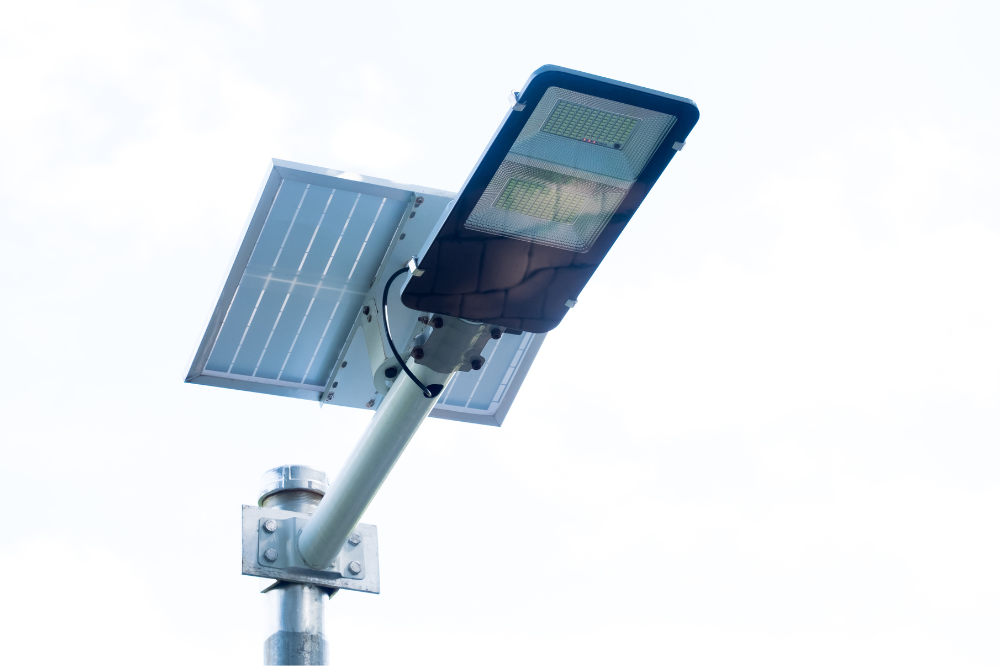
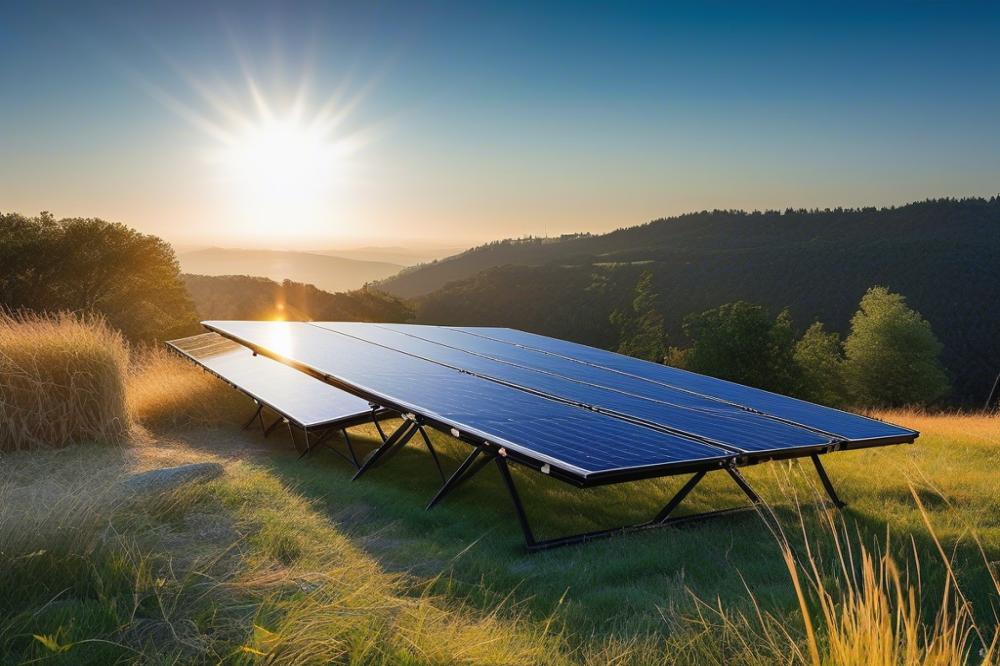
Portable solar panels are devices designed to harness solar energy for usage on the go. Their growing popularity stems from the increasing demand for eco-friendly power solutions. These panels can be particularly valuable for individuals who enjoy outdoor activities. Many campers and outdoor enthusiasts rely on this renewable energy source to power their devices and equipment.
An important factor that has driven interest in solar technology is the concept of energy independence. People can generate their own electricity without relying on traditional power grids. This can be especially beneficial in remote locations where access to standard energy sources is limited. By utilizing lightweight solar panels, users can travel with convenience while still maintaining energy access.
Camping and off-grid living have become trendy alternatives for those seeking a break from daily routines. Having a reliable power source enhances these experiences, allowing for charging devices and running small appliances. Battery storage capabilities allow users to store energy gathered during the day for later use. Adventures in nature become much more enjoyable when you are equipped with modern solar tools.
The impact of such technology extends beyond recreation. Portable solar panels also align with growing environmental concerns. They offer an innovative way to reduce our carbon footprint while enjoying outdoor lifestyles. With advancements in solar technology, the possibilities for using renewable energy are expanding daily. Understanding the strengths and limitations of these portable energy solutions can help users make informed choices for their adventures.
Understanding Portable Solar Panels
Portable solar panels harness sunlight to generate electricity. They use photovoltaic cells to convert light into usable energy. When sunlight strikes these cells, electrons become energized and flow, creating electricity. This process allows users to enjoy renewable energy no matter where they are, be it in a park or deep in the woods.
Modern solar technology has made significant strides over the years. These advancements include higher efficiency rates and improved durability. Many contemporary panels now feature monocrystalline and polycrystalline cells. Each type has its strengths, like better performance in low light with monocrystalline options. Such innovations mean that users can rely on eco-friendly power even during overcast days.
Lightweight solar panels are specifically designed for easy transport. They often consist of flexible materials that make them convenient for camping and outdoor adventures. Some panels can even fold or roll, allowing users to pack them in backpacks without difficulty. This design aspect caters to those who crave energy independence while traveling off-grid.
The market is filled with various types of portable solar solutions. Among them, solar chargers are popular for charging devices like smartphones and tablets. Larger kits can provide enough power to run small appliances, making them ideal for extended trips. Battery storage systems can be paired with these solar panels, capturing sun energy for use at night. Ultimately, users have many options to fit their energy needs while enjoying the great outdoors.
Capabilities of Portable Solar Panels
Portable solar panels offer numerous benefits for energy independence in off-grid scenarios. People living in remote locations can tap into the power of the sun, allowing them to live comfortably without relying on traditional electricity sources. This independence can simplify life, especially where power outages are a concern.
Charging devices like phones, laptops, and other gadgets has never been easier. With the right equipment, users can keep their essential electronics powered up while away from home. This capability is crucial for those who depend on technology for work or leisure.
Outdoor adventures, such as camping and hiking, are enhanced with the use of lightweight solar panels. Campers can enjoy the great outdoors without sacrificing modern conveniences. Imagine cooking a meal under the stars while your devices charge nearby!
Integration with battery storage allows for continuous power, even when the sun isn’t shining. Storing energy during the day means users can access electricity at night or during cloudy weather. This flexibility is a significant advantage for anyone relying on renewable energy.
As an eco-friendly power source, solar technology contributes positively to the environment. Using solar energy reduces reliance on fossil fuels, cutting down carbon footprints. This shift to cleaner energy helps preserve nature for future generations.
Limitations of Portable Solar Panels
Portable solar panels have many advantages, but they are not without drawbacks. The first limitation is the heavy dependence on sunlight and weather conditions. Cloudy days can significantly reduce the efficiency of solar technology. Lack of direct sunlight means less energy is produced. Camping in overcast weather can make charging devices more challenging.
Concerns about efficiency also come into play. Many solar panels convert only a fraction of sunlight into usable energy. When compared to traditional energy sources, the output often falls short. Energy independence is great, but it relies on having enough sunlight. Users might find that on certain days, the energy generated isn’t enough for their needs.
Another concern is physical size and space. While lightweight solar panels are designed for portability, they still require some space for setup. Campers and outdoor adventurers may struggle to find suitable areas to lay them out. Limited space can lead to difficulties in maximizing energy capture.
Cost factors are significant too. Purchasing high-quality equipment can be expensive. It’s important to factor in the long-term maintenance costs as well. Over time, battery storage and other components might need replacement. Balancing budget and energy needs is crucial when considering renewable energy options.
Finally, limitations in powering larger appliances cannot be overlooked. Most portable solar systems are not equipped to handle high-demand devices. Using them for very large appliances like refrigerators or air conditioners is often impractical. This can be frustrating for users who wish to enjoy all the comforts of home while off-grid.
Future Trends in Portable Solar Panel Technology
Innovations in Solar Technology and Efficiency Improvements
Research continues to drive advancements in solar technology. New materials are making solar cells more efficient than ever before. Innovations like perovskite solar cells show promise; they are lightweight and can capture sunlight more effectively. This means that camping trips and outdoor adventures may soon allow for more power generation with less gear. Manufacturers are also focused on making solar panels more durable and resistant to harsh conditions. This resilience benefits users who push their devices to the limits in off-grid situations.
Emerging Trends in Battery Storage Solutions
Enhanced battery storage is becoming crucial alongside solar power. Options like lithium-ion batteries are already popular due to their efficiency. They can store energy that is generated during the day for use at night or when it is cloudy. New technologies are developing, allowing for even smaller, lightweight solar panels to achieve greater storage capacities. This will help support longer camping trips without compromising energy independence.
Potential for Integration with Smart Technology
Smart technology is starting to play a big role in power solutions. Portable solar panels may not only charge devices but also connect to smartphones and apps. This integration can provide real-time data on energy production and usage. Users can better manage their energy needs while enjoying outdoor adventures. It allows for seamless monitoring of battery levels and solar generation.
Impact of Advancements on Outdoor Adventures and Energy Independence
All these developments are influencing how we experience the outdoors. Enhanced solar capabilities offer eco-friendly power solutions for those who love to explore. Greater efficiency means that adventurers are less dependent on traditional power sources. The ability to recharge devices means more time spent off-grid, enjoying nature. With these modern tools, a new level of energy independence is within reach. For many, the prospect of utilizing renewable energy while camping is becoming a reality, not just a dream.
Final Thoughts
Portable solar panels come with several advantages. They offer a renewable energy source, harnessing sunlight to create power. This means users can enjoy electricity in remote locations without relying on fossil fuels. Their convenience and ease of use make them appealing for activities like camping. Various models are lightweight and compact, making them easy to transport. Users appreciate their quiet operation, which adds to the overall experience of being outdoors.
However, there are drawbacks to consider. Efficiency can decline on cloudy days or during winter months when sunlight is limited. Cost is another factor; some high-quality options can be quite expensive. Also, charging times can vary, sometimes requiring longer periods of direct sunlight to fully recharge devices. Users must plan ahead to maximize their energy needs.
In promoting renewable energy, portable solar options serve as an approachable entry point. They highlight the benefits of sustainable living while allowing people to explore nature. Many find that investing in these tools encourages a commitment to environmental awareness. Think about how they can enhance outdoor experiences.
For anyone who enjoys camping or off-grid adventures, these panels are worth considering. They can provide a reliable power source in the great outdoors. As more people embrace clean energy, portable solutions could represent a significant step forward. Embracing this technology supports both personal convenience and wider environmental goals.