
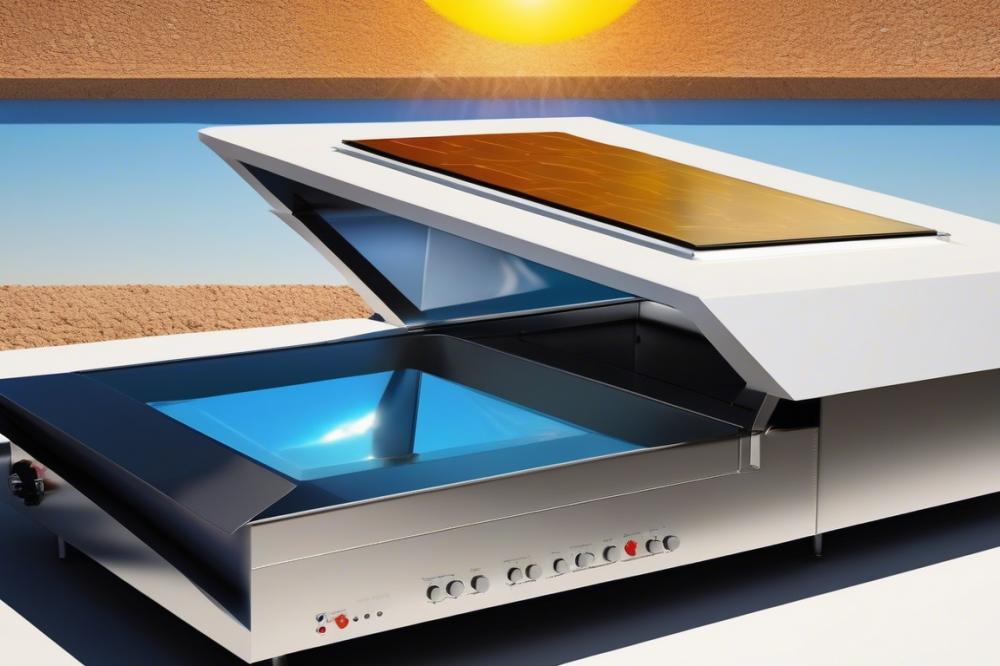
Understanding Solar Energy in Cooking
Solar energy refers to the light and heat harnessed from the sun. This energy can be transformed into usable electricity or thermal energy, making it a powerful resource for various applications, including cooking. The potential of using sunlight to cook meals is gaining attention as more people seek sustainable ways to meet their daily energy consumption needs. Interest in renewable energy solutions continues to rise, especially as environmental concerns grow.
Cooking with solar power offers a unique opportunity to reduce dependence on traditional energy sources. boiling water or baking can be achieved with the help of specially designed solar panels and other equipment that capture sunlight effectively. As households look for ways to save energy and money, utilizing solar technology for common tasks becomes increasingly appealing. It’s not just about making meals; it’s about making thoughtful choices about how to do so sustainably.
This article aims to delve into the energy calculation necessary for using solar energy in boiling water and baking. By understanding the power requirements and efficiency of different cooking methods, readers can better appreciate the practicality of this renewable resource. We will explore how much energy is truly needed to prepare various meals and what it takes to harness the sun’s energy in our kitchens.
Understanding Energy Requirements

Cooking involves a basic understanding of energy. When preparing food, energy is transferred in various forms to achieve the desired temperature. Boiling water, for instance, requires a specific amount of thermal energy. This energy comes from sources like electricity or gas, and now, increasingly, from renewable energy.
Energy consumption metrics are essential for understanding how much power is needed for tasks like boiling and baking. Common measurements include watts and kilowatt-hours. A standard kettle might use around 2,000 watts to bring a liter of water to a boil in about five minutes. This means it consumes roughly 0.17 kilowatt-hours of electricity per use.
In baking, the energy requirements differ slightly. An electric oven commonly uses approximately 2,500 watts. Preheating typically takes 10 to 15 minutes, and baking a dish could require up to an hour. Therefore, total energy consumption for baking can peak around 2.5 to 3 kilowatt-hours depending on the temperature and duration.
Introduction to Photovoltaic Systems
Photovoltaic systems harness solar energy to produce electricity. They operate using solar panels, converting sunlight directly into electrical power. This process offers an alternative to traditional cooking methods that depend on non-renewable resources. Cooking with solar energy can reduce dependence on fossil fuels while lowering energy costs.
Thermal energy also plays a role in heating food. For instance, solar cookers can capture sunlight and concentrate it to reach cooking temperatures. These devices are efficient for boiling water and baking, particularly in sunny climates. Understanding how these systems work is key for those interested in sustainable cooking.
Typical energy values for boiling water and baking are necessary for planning. A kettle boiling water is more energy-efficient than an electric stove in this situation. Meanwhile, baking requires sustained energy over a longer period. Thus, knowing these numbers helps in making informed decisions when considering using renewable sources.
Calculating Energy for Boiling Water

Determining the energy needed to boil water is straightforward. First, we must consider the specific heat capacity of water. This value is 4.18 Joules per gram per degree Celsius. Simply put, it tells us how much energy is required to raise the temperature of water.
To calculate how much energy it takes to boil water, follow this formula: Energy (Joules) = mass (grams) × specific heat (4.18 J/g°C) × temperature change (°C). You might start with a volume of 1 liter of water, which equals 1000 grams. To bring this water from room temperature (about 20°C) to boiling (100°C), the temperature change is 80°C.
Using the formula, the energy needed would be 1000 g × 4.18 J/g°C × 80°C = 334,400 Joules. This amount of energy is necessary for just 1 liter of water. Now, if you wanted to boil 2 liters, you would simply double that number. The calculations would look like this: 668,800 Joules for 2 liters.
Solar panels play a crucial role in converting sunlight into usable energy. They function through photovoltaic cells that absorb sunlight and generate electric current. In theory, this current can power devices, heating elements, or even water heaters designed for cooking with solar energy.
Another method is using solar thermal energy systems. These systems collect heat from sunlight and transfer that heat directly to water. This process is often more efficient for tasks like boiling water compared to regular solar panels. Devices such as solar ovens or cookers demonstrate this idea well.
Efficiency varies greatly among different solar cooking methods. Some solar ovens can reach temperatures high enough to boil water in just an hour, depending on sunlight intensity. In contrast, other methods, like simple glass-covered boxes, might take much longer.
When dealing with energy consumption for boiling water, it’s essential to choose an appropriate cooking method. Traditional cooking methods require electric or gas stoves. However, renewable energy options like solar cooking can significantly reduce energy costs and emissions.
In summary, effective calculations and methods are at our disposal to harness solar energy and boil water. Understanding energy needs allows us to make informed choices about our cooking methods, enabling us to utilize the power of the sun efficiently.
Calculating Energy for Baking
Baking involves a specific amount of energy, depending on the type of food and the method used. To understand this better, we can look at energy requirements for some common recipes. Most baked goods need an oven temperature ranging from 350°F to 400°F. Let’s analyze a few typical items.
A loaf of bread typically bakes in about 30-45 minutes at 375°F. The average conventional oven consumes around 2 kWh per hour. If we calculate, a typical loaf uses about 1 kWh for a 45-minute bake. This is quite a chunk of energy consumption for a simple loaf.
Cookies require less time, usually about 10-15 minutes at 350°F. Given the same 2 kWh per hour usage, we find that baking cookies for 15 minutes will consume approximately 0.1 kWh. This shows that baking time and recipe type significantly influence energy requirements.
When it comes to pizzas, they often bake at a higher temperature, around 450°F, for about 10-15 minutes. Like cookies, this will also require minimal energy. Using the same calculation, we see that a pizza could use about 0.1 kWh for its short baking time. Thus, understanding time and temperature can aid in energy efficiency.
One way to address energy demands in baking is through solar energy. Solar ovens utilize thermal energy from the sun to cook food. These devices can reach temperatures suitable for baking, but it may take longer than conventional methods. The cooking efficiency of solar ovens depends greatly on sunlight availability, but they can reduce reliance on electricity.
Photovoltaic systems can also power traditional ovens. By converting sunlight into electricity, these systems can help meet the energy needs for baking. The energy generated can be stored for later use, which can be especially helpful on cloudy days.
Factors influencing efficiency in solar cooking include the design of the oven, the angle at which sunlight hits it, and the reflectors used. Proper positioning to capture sunlight is vital. A well-maintained solar oven will produce better results than one that is neglected.
Finally, airtight ovens will help trap heat better than ones that leak. Not all recipes are ideal for solar cooking, especially those requiring precise temperatures. However, with patience and practice, baking using solar energy can become a rewarding experience.
Comparing solar power with Conventional Cooking Methods
When examining energy consumption, solar energy presents an intriguing alternative to traditional cooking methods. Conventional methods like gas and electric stoves heavily rely on fossil fuels and grid electricity. These energy sources generate significant environmental impacts, contributing to carbon emissions. In contrast, using solar panels harnesses renewable energy directly from the sun.
Boiling water is a common cooking task. You might be surprised to learn that it typically requires about 0.3 kWh of energy for a single pot on an electric stove. A gas stove may consume slightly less energy, depending on the efficiency of the burner. In comparison, cooking with solar does not have a defined energy cost per cycle. Instead, it depends on available sunlight and the efficiency of the solar technology used, such as photovoltaic systems or solar thermal energy concentrators.
Advantages of Solar Energy for Cooking
One major advantage of cooking with solar is sustainability. This energy source is abundant and will not run out in our lifetime. Additionally, it reduces reliance on fossil fuels, which is crucial for combating climate change. Furthermore, there are substantial long-term cost savings with solar energy. Once installed, solar panels require minimal maintenance. Therefore, after the initial investment, the cost of using solar energy can be dramatically lower than ongoing electricity bills.
For baking, the scenario is similar. Ovens consume significant energy, but solar ovens can achieve similar results without drawing power from traditional sources. Solar ovens, especially those designed for high efficiency, can reach temperatures of 350°F or more with direct sunlight. This efficiency level allows for easy cooking of cakes, bread, and other baked goods without relying on gas or electric ovens.
Challenges of Using Solar Energy
However, cooking with solar is not without its challenges. Weather plays a crucial role. A cloudy day can disrupt cooking schedules significantly. Additionally, the setup of solar cooking equipment can take time, which might not be practical for everyone. While many find it rewarding, some people may struggle with the learning curve associated with new equipment.
Moreover, solar technology isn’t always widely accessible. Coastal areas with abundant sunshine may have an advantage, while regions with less sunlight may not benefit as much. The disparity in solar resources can create issues for those looking to make the switch.
In summary, each cooking method has its pros and cons. The long-term benefits of solar energy, however, make it a worthwhile consideration. Lower energy consumption, sustainability, and cost savings are compelling reasons to explore solar options for boiling water and baking. These choices not only save money but also contribute positively to the environment. With the growing interest in green technologies, solar energy continues to pave the way for a sustainable future in cooking.
Practical Tips for Cooking with Solar Energy
When exploring cooking with solar, it’s vital to understand the types of devices that can help you harness the sun’s power. Solar ovens come in various designs, commonly classified as box ovens, parabolic cookers, and panel cookers. Box ovens are generally the easiest option for beginners, often allowing you to boil water effectively and bake items like cookies. They trap heat nicely and can reach temperatures sufficient for cooking.
On the other hand, parabolic cookers focus sunlight into a single point, which can generate much higher temperatures. This high efficiency makes them excellent for boiling and frying. Although these cookers provide impressive heat, they also require more attention, as the sun must be directly overhead for best results.
Panel cookers are another option, working best when directed towards sunlight. They take longer to cook but are often lighter and easier to transport than the other models. Each type of oven has its strengths, and the choice can depend on personal preference and cooking needs.
Maximizing Efficiency in Solar Cooking
Maximization of solar cooking efficiency involves several best practices. First, aim to cook on bright, clear days. Cloudy weather can significantly reduce cooking times. Additionally, placing your cooker in an open space without shading from trees or buildings boosts its performance. The position of the sun will change throughout the day, so periodic adjustments to your cooker keep it aligned.
Utilizing dark cooking pots can also help absorb thermal energy more effectively. Choose pots that are black or very dark to capture heat, thereby reducing your energy consumption. Covering pots with a lid helps maintain heat and cook food more quickly.
Safety Considerations
Safety is key when engaging in solar cooking. Always use oven mitts when handling hot containers; the inside of your solar oven can become quite hot. Additionally, avoid looking directly at the concentrated sunlight from parabolic cookers, as this can cause damage to your eyes. Make sure to supervise children around solar cooking devices. They can easily become curious about the process, and direct exposure to high temperatures can be dangerous.
Policing the area around your setup is wise to avoid accidental fires. Use common sense when placing your solar cooker. Keep it away from flammable materials and always ensure it is secure on stable ground. Cooking with solar energy offers a fun and renewable way to prepare meals but requires attention and care to ensure safe practices.
Final Thoughts
Understanding energy calculations is crucial for anyone interested in solar cooking. We discussed how much energy it takes to boil water and bake various foods using solar technologies. Every cooking task requires a certain amount of energy, and solar thermal designs can vary in efficiency. Knowing these energy needs helps users optimize their cooking processes.
Exploring solar solutions presents a unique opportunity to reduce reliance on traditional energy sources. Many people don’t realize how effective solar power can be for everyday cooking tasks. Cooking with the sun not only conserves energy but also minimizes utility bills over time.
Adopting solar cooking methods also offers significant environmental benefits. Using sunlight instead of fossil fuels lowers carbon emissions. This shift contributes to cleaner air and a healthier planet. Therefore, consider how harnessing the sun for boiling water and baking could help you make a positive impact.
In summary, the potential of using solar energy for cooking deserves attention. As you think about your cooking methods, keep in mind the advantages of solar options. Embracing these practices can lead to a sustainable lifestyle, benefiting both you and the Earth.

