How French households Sell Excess solar energy and Reduce Bills
In recent years, an increasing number of French households have embraced renewable energy sources, particularly solar power. The appeal of harnessing the sun’s energy has attracted many homeowners. This shift has not only promoted energy independence but has also opened avenues for financial savings.
Many households generate more energy than they initially consume. When this surplus occurs, these families have the option to sell excess solar energy back to the national grid. This process, known as grid feed-in, allows them to earn money while contributing to a greener future.
Reducing electricity costs is a primary goal for many families. By tapping into energy programs, they can cut down their energy bills and achieve significant savings over time. Selling the surplus provides an additional financial cushion, making solar adoption even more appealing.
Moreover, such practices lead to a broader impact on sustainable living. By shifting towards renewable energy, households become part of a larger movement toward protecting the environment. The combination of energy savings and eco-friendly practices helps create a community that values sustainability.
The Rise of Solar Energy in France
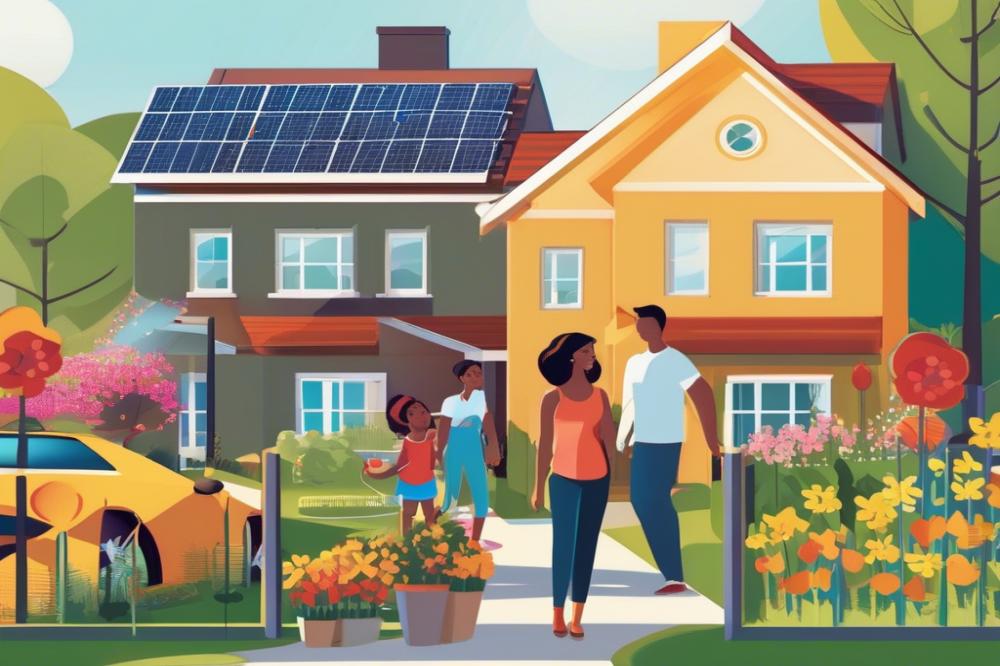
Over the past decade, the growth of solar power installations among French households has been remarkable. Increasing numbers of families are placing solar panels on their roofs. This shift signals a changing attitude towards energy consumption and independence. Many see these systems as a way to lower their electricity costs while contributing to the environment.
Government Incentives and Energy Programs Supporting Solar Energy
The French government has implemented various energy programs to boost the use of solar power. These initiatives provide financial incentives to homeowners who install panels. Tax reductions and grants make it more affordable to enter the market. Furthermore, feed-in tariffs encourage households to sell excess solar energy back to the grid. This arrangement not only helps families save money but also promotes the use of renewable energy.
The Role of Renewable Energy in Transitioning to a Sustainable Future
Renewable energy plays a crucial role in helping France transition to a sustainable living model. As more households generate their own power, the reliance on traditional fossil fuels decreases. This shift actively contributes to reducing carbon emissions. Energy savings from solar installations also allow families to redirect funds toward other necessities. Everyone benefits when a community embraces energy independence and works to create a greener future.
Understanding excess solar energy
What Constitutes Excess Solar Energy for Households
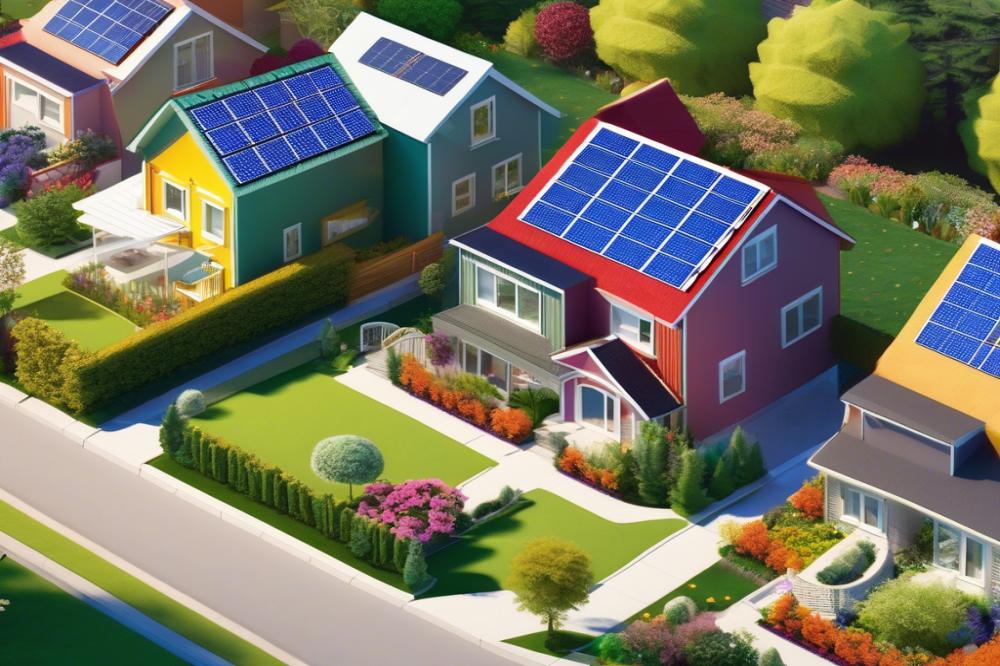
Excess solar energy occurs when a home’s production surpasses its consumption. Many French households install panels to harness this clean resource. During sunny days, energy generation can peak. When families generate more electricity than they use, they create a surplus. This surplus can be redirected back to the grid. Homeowners benefit from these contributions through incentives and feed-in tariffs.
Factors Influencing the Amount of Excess Energy Produced
Several factors influence excess energy production. The size and type of solar panel system play a big role. A larger system often generates more power. Weather conditions also impact output. Sunny, clear days will yield more electricity compared to cloudy ones. Seasonal changes further affect production volumes. Changes in household energy use patterns can lead to fluctuations. Increased energy efficiency within homes reduces overall demand, resulting in greater excess production.
Benefits of Harnessing and Selling Excess Solar Energy
Selling surplus energy helps households reduce electricity costs. Many communities embrace renewable energy sources. Engaging in energy programs enhances energy independence. Such initiatives support sustainable living practices, which are increasingly important. Furthermore, selling back to the grid can provide additional income or credits. This financial boost can help families invest in energy-efficient appliances or further solar technology. In the end, these actions contribute to a greener future while easing household budgets.
Mechanisms for Selling Excess Solar Energy
Overview of Grid Feed-in Tariffs and Net Metering
French households have some valuable options when it comes to selling excess solar energy. Grid feed-in tariffs offer a fixed price that the government pays for the renewable energy produced. This means families can earn money by feeding their extra power back into the grid. Net metering works a bit differently. It involves offsetting electricity costs. When households produce more than they use, the excess goes to the grid. Later, they can draw from the grid when their solar panels are not generating enough. Both methods aim at promoting energy independence while making electricity more affordable.
How French Households Can Connect to the National Grid
Connecting to the national grid is straightforward for French households. First, installation of solar panels is needed. After that, a licensed technician must connect these systems to the grid. Homeowners should contact their local electricity provider for the necessary steps. One vital aspect involves ensuring that the system meets safety standards. This process can take some time, but it’s well worth the effort. Once connected, families can start selling their generated solar power and enjoy energy savings on their bills.
Legal and Regulatory Framework for Selling Solar Power
Understanding the legal aspects can be quite essential. France has a clear regulatory framework for solar energy, which is designed to support sustainable living. Households must comply with local regulations and guidelines set by the government. Contracts and agreements are often necessary. These documents outline the terms of selling excess power. Consumers must also consider specific rights related to renewable energy. Some energy programs provide additional incentives, helping households maximize their benefits. Adhering to these rules can lead to significant savings while promoting green energy.
Energy Savings and Financial Benefits
Calculating potential savings from selling excess energy is essential for French households. Households generating surplus power can benefit financially through grid feed-in programs. These programs allow homeowners to sell excess solar energy back to the grid. This interaction not only reduces their electricity costs but also gives them a chance to earn. It brings significant financial relief, especially during peak usage seasons.
Case Studies of Households Successfully Selling Their Solar Power
Take Marie and Jean, for example. They installed solar panels two years ago. Now, they can sell their excess energy, making about €100 a month. This income helps pay for their groceries and reduces their overall bills. Similarly, the Dupont family reports saving over €1,500 annually. Their experience showcases how small changes can lead to big savings. Each case highlights that maintaining a sustainable living can also be financially feasible.
Impact on Overall Electricity Costs and Energy Independence
Energy independence is a goal for many French households. Selling excess solar power plays a role in achieving this. By relying less on traditional energy sources, families lessen their vulnerability to market fluctuations. Lower electricity costs create a budget-friendly environment. Households experience fewer worries about rising energy prices. Some families even claim to have completely eliminated their electric bills. Overall, adopting renewable energy leads to long-term savings and financial security.
Challenges and Considerations
French households face several challenges when trying to sell excess solar energy. One major hurdle is the maintenance of solar panels. Keeping the panels clean and in good working order is essential for efficiency. Dirty or damaged panels can lead to decreased energy production. Regular maintenance can be time-consuming and may incur additional costs.
Market fluctuations in electricity prices also present a significant concern. Prices can change frequently, impacting how much money households earn from their solar power. When energy prices are low, selling excess energy may not feel worthwhile. This uncertainty can make it difficult for families to plan their finances when they rely on energy savings from their renewable energy systems.
Understanding local grid feed-in programs is crucial for homeowners. These programs can vary by region. Some areas offer better rates for solar power than others. Individuals must research what their local program provides. Knowledge about these options can greatly influence a household’s decision-making process regarding energy independence.
The efficiency of solar panels depends on various factors, including location and climate. In areas with less sunlight, panel output may be lower than expected. This can lead to frustration if expectations are not met. Therefore, potential buyers should assess their geographic conditions carefully.
While many seek sustainable living, achieving that can be complex. Some households may struggle to generate enough excess energy to make selling worthwhile. They might find that their production does not offset their initial investment. This can lead to feelings of disappointment and confusion over the long-term benefits.
On the Horizon: Future of Solar Energy Sales in France
Emerging technologies are shaping the future of energy in France. Advancements in solar energy storage are vital for households looking to maximize their excess solar energy. New battery systems allow families to save their generated power for later use. This not only helps reduce electricity costs but also supports sustainable living. Innovation in storage solutions can make energy more accessible and reliable, especially during peak demands.
Predictions for the Growth of Household Solar Energy Markets
Experts predict a significant rise in the market for household solar power systems. More households are expected to install solar panels over the coming years. This growth is fueled by decreasing installation prices and increased awareness of energy savings. Many people want energy independence and wish to minimize reliance on traditional power sources. Additionally, government energy programs promoting renewables will likely create a favorable environment for further expansion.
The Role of Community Initiatives and Collective Energy Selling
Communities are beginning to embrace collective energy selling. These initiatives allow groups of households to share their excess solar energy with one another. By joining forces, neighbors can amplify their benefits and often negotiate better rates with energy suppliers. This collaborative approach not only strengthens community bonds but also fosters a spirit of renewable energy innovation. As more people participate, the potential for shared savings on electricity costs becomes even greater.
Looking forward, the cooperation among French households and local programs will likely play a pivotal role in shaping the energy landscape. The continued push for greener solutions aligns perfectly with these community-driven efforts. Each step taken towards utilizing excess energy contributes to a larger goal of a sustainable future.
Wrapping Up the Benefits of Selling Excess Energy
Selling excess solar energy provides considerable advantages for many French households. They can lower their monthly bills while helping the environment at the same time. Not only does this practice promote sustainability, but it also contributes to the wider energy transition goals France aims to achieve. By harnessing the power of the sun, families are taking control of their energy needs.
Every homeowner should think seriously about installing solar panels. The initial investment can seem daunting, but financial incentives and long-term savings often outweigh those costs. Many households report reduced energy bills in just a few months. Furthermore, participating in the energy market can also generate extra income.
As more French families adopt renewable sources, the country can transition toward a greener future. The shift not only impacts individual homes but also has the potential to transform the energy grid. Each household’s contribution adds up, creating a collective effort in reducing carbon footprints.
Looking ahead, the landscape for renewable energy in France is optimistic. Innovations and government support are expected to continue helping families generate and sell their energy. This is an exciting time for households considering cleaner energy options. Each step taken toward solar energy represents a commitment to sustainability, financial savings, and a healthier planet. Strong community involvement and awareness can make this transition smoother. Solar energy represents a significant leap forward for a sustainable future in France.